Key Takeaways
- A light switch gives warning signs before it fails, and ignoring them puts your wiring, your walls, and your home at risk of an electrical fire.
- Most homeowners notice the loud signs like scorch marks or popping sounds, but the subtle ones such as warmth under your finger, a mild delay, or a slightly loose toggle usually show up first and get dismissed.
- When any of these signs appear, the safe move is to have a licensed electrician from Point Loma Home Pros inspect the switch and the wiring behind it before the damage spreads.
- Standard switches typically last 15 to 20 years, and homes built between 1965 and 1973 often have aluminum wiring that loosens connections faster and deserves closer attention.
- Point Loma Home Pros specializes in the older San Diego homes where aging switches and outdated wiring most often hide, with a repair-first approach that replaces only what truly needs replacing.
A Faulty Light Switch Is Never Worth the Risk
Replace a light switch the moment it shows warning signs, whether that is heat under your finger, a buzz when you flip it, flickering lights, or a scorch mark around the plate. These symptoms point to internal arcing or worn contacts that only get worse with use, and the fix is a licensed electrician, not a new bulb. The subtler signs are the ones homeowners miss, and they are the signs that matter most before the problem reaches the wiring behind the wall.
A malfunctioning light switch is a potential fire hazard. When a switch fails internally, it can cause electrical arcing, which is a brief burst of electricity that jumps across a gap in the connection. Arcing produces intense heat, which can ignite the insulation around your wiring or the wood framing in your walls.
None of these signs should be written off. Each one points to something happening inside that switch or in the wiring connected to it. Here are the eight most important signs that it is time to replace your light switch.
1. The Switch Feels Warm or Hot to the Touch
A properly functioning light switch should always feel neutral, nothing warmer than room temperature. Heat buildup in a switch happens when electricity is not flowing cleanly through the contacts, which can be caused by loose wire connections, worn internal components, or electrical arcing occurring every time the switch is flipped.
Dimmer switches can feel slightly warm under normal operation since they regulate voltage, but a standard on/off toggle switch should never generate heat. If yours does, have it replaced by a licensed electrician promptly.
2. Lights Flicker or Respond Inconsistently

Worn internal connections inside a switch housing are often the hidden cause behind flickering lights.
If replacing a bulb does not solve a flickering problem, the switch itself is the next place a licensed electrician should look. A worn switch contact can create an unstable connection that causes the light to flicker every time electricity passes through it.
Each flicker represents a brief electrical arc happening inside the switch housing. Over time those arcs erode the internal contacts further and generate heat that accumulates in the wall.
3. The Switch Makes Crackling, Buzzing, or Popping Sounds
A light switch should operate in complete silence. Any sound coming from a switch, whether a faint buzz, a soft crackle, or an audible pop when you flip it, is a sign of active electrical arcing inside the unit.
A sharp crackling or popping sound coming from a standard toggle switch is a clear sign the internal components are failing and the switch needs immediate replacement.
4. There Is a Burning Smell Near the Switch
If you notice a faint burning or plastic smell near a light switch, stop using it immediately. That smell is almost always the result of heat melting the plastic housing, scorching wire insulation, or both. It means the switch has already reached a temperature high enough to cause material damage, which puts you well past the warning stage and into genuine hazard territory.
Does the Toggle Feel Loose or Wobbly?
A light switch toggle should snap firmly between the on and off positions with a clean, decisive click.
If the toggle feels loose or does not seat properly in either position, the internal mechanism is worn out, meaning the electrical contacts inside may not be making full, solid contact. That leads to resistance, heat buildup, and inconsistent performance.
A worn toggle has no adjustment or repair that restores it to safe operating condition, and the switch needs to be replaced.
6. The Switch Delivers a Small Shock or Spark
Feeling a mild tingle or static-like shock when you touch a light switch is not something to dismiss as normal. While a tiny static discharge can occasionally occur in very dry conditions, a consistent shock from a switch every time you use it indicates a wiring fault. This could be a grounding issue, a loose hot wire making contact with the switch plate, or an internal insulation failure inside the switch itself.
Visible sparks when flipping a switch are equally serious. A very small, brief spark deep inside the switch mechanism can be normal as contacts make connection, but a spark you can see at the surface of the switch, or one that happens regularly, points to arcing that has progressed to a dangerous level. Both shocks and visible sparks warrant immediate attention.
7. The Lights Have a Delayed Response
When you flip a light switch, the light should respond instantly. A noticeable delay between flipping the toggle and the light turning on suggests the internal contacts are not making a clean connection, which is a sign that the contacts are worn, corroded, or compromised. A licensed electrician can confirm whether the switch or the wiring behind it is the source of the problem.
8. The Switch Has Visible Damage or Discoloration
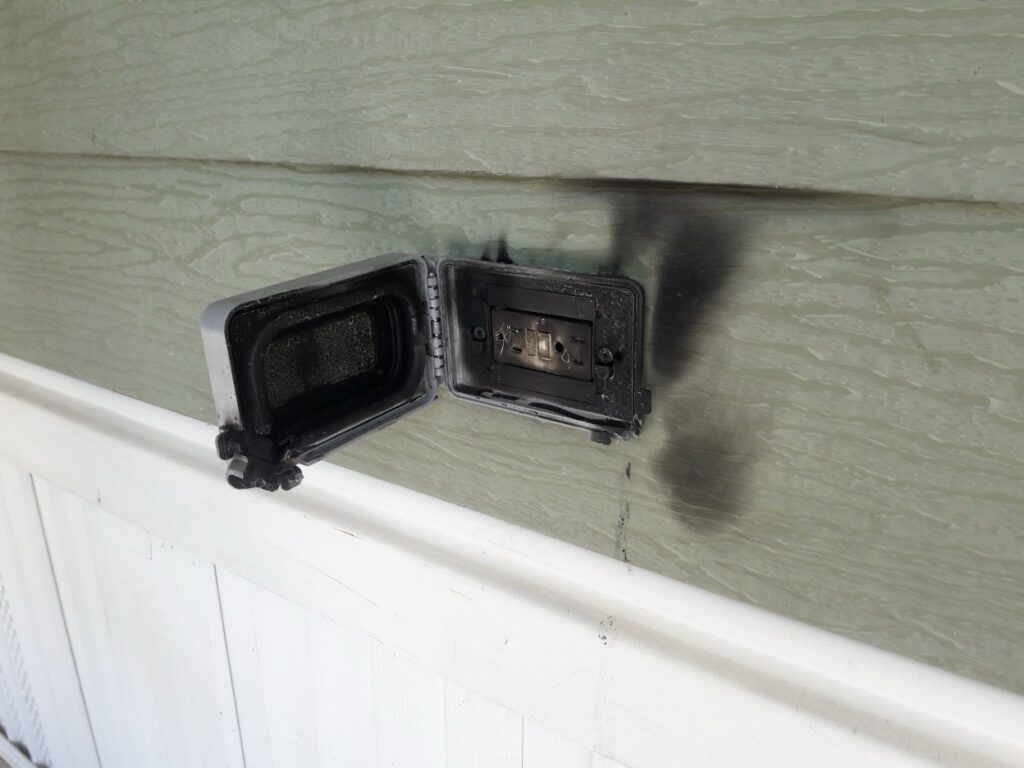
Blackening and scorch marks on a switch or outlet plate are a clear sign of heat damage that goes beyond the surface.
Any switch plate showing yellowing, brown staining, scorch marks, or blackening around the toggle or edges has already experienced heat damage from electrical arcing or overheating.
The plastic housing, internal contacts, and potentially the wiring behind the plate have all been exposed to temperatures high enough to leave a visible mark.
The switch needs to be replaced and the wiring behind it inspected by a licensed electrician to confirm there is no damage to the insulation or junction box inside the wall.
Quick Checklist: Telltale Signs You Should Replace Your Light Switch
| Warning Sign | What It Indicates | Urgency Level |
|---|---|---|
| Warm or hot to the touch | Electrical resistance or arcing inside the switch | High |
| Flickering or inconsistent lights | Worn contacts creating unstable connection | Medium to high |
| Crackling, buzzing, or popping sounds | Active electrical arcing inside the unit | High |
| Burning smell near the switch | Melting plastic or scorched wire insulation | Immediate |
| Loose or wobbly toggle | Worn internal mechanism, poor contact | Medium |
| Shock or visible spark | Wiring fault or advanced arcing | Immediate |
| Delayed light response | Corroded or worn internal contacts | Medium to high |
| Visible damage or discoloration | Past heat damage to switch and surrounding wiring | Immediate |
Point Loma Home Pros: Trusted Electrical Experts in San Diego
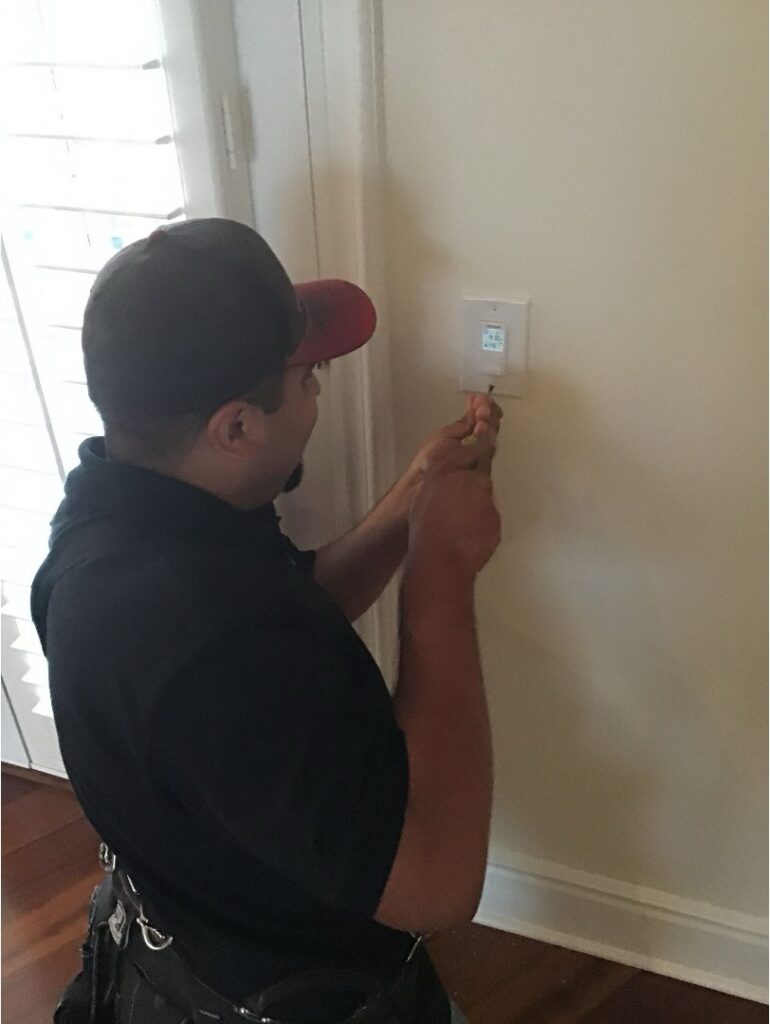
Our licensed electricians handle every switch replacement with care and precision, from a single toggle to a full home walkthrough.
A light switch showing any of the eight signs above needs prompt attention from a team that knows what lives behind the wall, especially in San Diego homes where the wiring often predates modern safety standards. Early attention almost always saves money, and a knowledgeable electrician will walk you through what is happening before any work begins.
At Point Loma Home Pros, our licensed electricians have spent decades serving San Diego homeowners with honesty, precision, and a repair-first approach that puts your home’s safety above everything else. From a single switch replacement to a full inspection of an older home’s electrical system, every job receives the same level of care, backed by over 2,000 five-star reviews and a fully staffed team ready to serve. Book your inspection today and get a clear read on what your switches are really doing.
Get your electrical switches inspected by a licensed pro today.
Frequently Asked Questions (FAQs)
How long do light switches typically last?
Most standard light switches last approximately 15 to 20 years under normal use, though switches in high-traffic areas like hallways, kitchens, and entry points tend to wear out faster. If your home is more than 15 years old and the original switches have never been replaced, a professional inspection is worth scheduling even if no obvious symptoms have appeared.
Is it safe to keep using a switch that buzzes?
A buzzing switch is actively arcing, which means heat is being generated inside the switch housing each time it is used. Continuing to use it increases the risk of further internal damage and raises the likelihood of an electrical fire. Contact a licensed electrician to have the switch inspected and replaced as soon as possible.
Can a bad light switch cause a fire?
Yes. Electrical arcing inside a worn or damaged switch generates intense heat that can ignite wire insulation or surrounding building materials inside the wall. Warning signs like buzzing, heat buildup, burning smells, and visible discoloration should never be ignored, as the fire risk is real and well-documented by electrical safety organizations.
Do older homes need their light switches inspected more often?
Homes built before the 1980s deserve more frequent attention when it comes to electrical components, as switches installed decades ago have had far more time to degrade. Homes built between 1965 and 1973 may also have aluminum wiring, which expands and contracts differently than copper and can loosen connections over time. At Point Loma Home Pros, our licensed electricians have extensive experience inspecting and upgrading electrical systems in older homes and can give you a clear picture of your system’s condition before small issues become serious ones.
*Note: All pricing and service information is for general guidance only and reflects typical estimates at the time of writing. Actual costs, scope, and timelines may vary based on the home’s condition, access, materials, project complexity, and local market factors. For more information on our services and current pricing, visit Point Loma Home Pros.