
Key Takeaways
- Learn why flickering lights happen in older homes, common causes, quick fixes, and how Point Loma Home Pros ensures safe, reliable electrical solutions.
- Common causes include loose or old bulbs, faulty switches, aging fixtures, and overloaded circuits that need attention.
- Loose electrical connections and deteriorating wiring, such as knob-and-tube or aluminum, can create heat buildup and increase fire hazards.
- Simple fixes like tightening bulbs, replacing incompatible lights, or redistributing high-draw appliances can resolve minor flickering, but persistent issues require professional inspection.
- Point Loma Home Pros offers expert electrical services for older San Diego homes, ensuring safe, reliable solutions for flickering lights and overall system stability.
Why Your Old House Has Flickering Lights (And Why It Matters)
Older homes have a lot of character, but many still rely on electrical systems that were never designed for today’s power use. Many older homes were originally built with 30–60 amp service (often fuse panels), and some still have 60-amp service today—far less than the 100–200 amps common in modern homes. Flickering lights are usually a sign that the system is struggling to keep up. While it may seem minor, this issue can point to bigger electrical risks over time. A qualified electrician familiar with older homes can identify the cause and recommend upgrades that improve safety without taking away the home’s original charm.

Common Causes of Flickering Lights in Older Homes
Flickering lights in older homes are rarely caused by just one issue. Aging wiring, outdated components, and modern power demands often combine to create these problems. Understanding the most common causes can help you spot whether it’s a simple fix or a sign of a larger electrical concern.
Loose or Outdated Light Bulbs
Sometimes the issue is as simple as a loose or worn-out bulb. Vibrations from daily activity can loosen bulbs over time, causing intermittent contact and flickering. Older incandescent bulbs may also flicker as they near the end of their life. In addition, LED or CFL bulbs can flicker in older fixtures or dimmers that were designed only for incandescent lighting, creating compatibility issues that are easy to overlook.
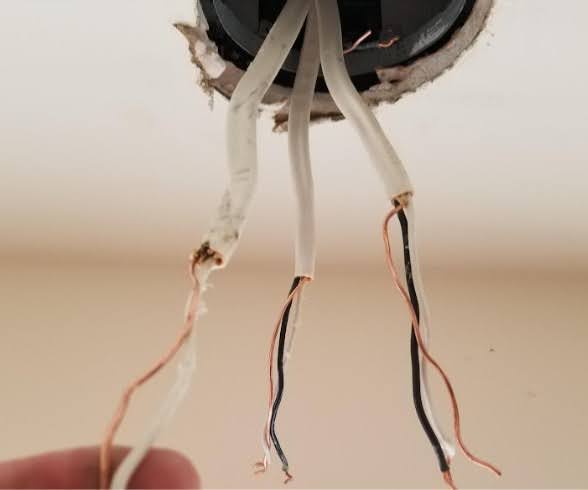
Loose wiring connections can create heat and increase fire risks, inspection is essential.
Faulty Light Switches and Fixtures
Decades of use can wear down light switches in older homes. Loose terminals, corroded contacts, or internal wear can cause lights to flicker when the switch is touched or when nearby movement occurs. Older light fixtures may also have brittle wiring or degraded sockets, leading to unstable connections that usually require replacement rather than repair.
Loose Electrical Connections
Loose wiring connections are a common and more serious cause of flickering. Over time, connections at outlets, switches, and junction boxes can loosen as the house settles. These loose points create resistance, which leads to voltage fluctuations and flickering lights. More importantly, they can generate heat and increase fire risk, making professional inspection essential.
Outdated Knob-and-Tube Wiring
Many homes built from the 1880s through the 1940s still have knob-and-tube wiring. This system lacks grounding and uses insulation that deteriorates with age. As insulation breaks down, electrical wires can make intermittent contact, causing flickering and posing fire hazards. These systems were never designed for modern electrical loads and often need full replacement.
Overloaded Electrical Circuits
Older homes typically have fewer circuits with multiple rooms sharing one line. When several high-draw appliances run at the same time, the circuit can become overloaded. This causes voltage drops that show up as flickering or dimming lights, especially when appliances with motors turn on.
Quick Fixes You Can Do Today
Before calling an electrician, there are a few simple steps you can try to reduce or stop flickering lights in an older home. These fixes address the most common and minor issues.
Tighten loose light bulbs
Start by checking that all bulbs are snug in their sockets. Turn off the power, then gently tighten each bulb. Loose bulbs from vibration or house settling are a very common cause of flickering, especially in older fixtures. If the bulb feels secure but still flickers, the socket itself may be worn.
Replace outdated or incompatible bulbs
Older fixtures and dimmer switches don’t always play well with LED or CFL bulbs. If flickering happens when dimming, use dimmable LEDs—and if the dimmer itself is older, have an electrician install an LED-compatible dimmer. In some cases, switching to a different LED model (or a higher-quality bulb) resolves flicker—especially when dimmers are involved.
Check and replace faulty switches
If lights flicker when you touch or toggle a switch, treat it as a warning sign. Stop using that switch & schedule a licensed electrician—especially in older homes where wiring types (like aluminum or knob-and-tube) can make small connection issues more risky.
Reduce circuit overloads
Older homes often have multiple rooms on one circuit. Try spreading high-draw appliances across different circuits or avoid running them at the same time. This can reduce voltage drops that cause flickering. If the problem continues, adding new circuits may be the best long-term solution.
Serious Electrical Problems That Need Professional Help
While simple fixes can solve minor flickering, some electrical issues require professional attention due to safety risks and system complexity. These problems usually point to deeper weaknesses in an older home’s electrical infrastructure that shouldn’t be handled DIY.
Aluminum Wiring Concerns
Homes built from about 1965 through the mid-1970s may contain aluminum branch-circuit wiring, which expands and contracts more than copper. Over time, this loosens connections, creating resistance, heat buildup, and flickering lights that can lead to fire hazards. Electricians can correct this with approved pigtailing methods, aluminum-rated devices, or full rewiring when necessary.
Circuit Breaker Panel Issues
Widespread flickering often traces back to an aging electrical panel. Older panels may have corroded bus bars, loose breakers, or insufficient capacity for modern loads. Some older panel models have known reliability/safety issues, so an electrician may recommend replacement after inspection. Replacing an outdated panel is a major upgrade, but it significantly improves safety, reliability, and overall power stability.
Main Service Line Problems
If lights flicker throughout the entire home, especially during storms or peak usage, the issue may lie in the main service line. Loose weatherhead connections, damaged service cables, or corroded meter components can cause whole-house voltage fluctuations. These repairs usually involve both a licensed electrician and the utility company and should be addressed promptly.
Warning Signs That Require Immediate Action
Flickering paired with burning smells, buzzing sounds, warm outlets, discoloration, sparks, or frequent breaker trips signals a serious hazard. These symptoms indicate active electrical failure and require immediate professional service. If possible, shut off power to affected circuits and contact a licensed electrician right away.
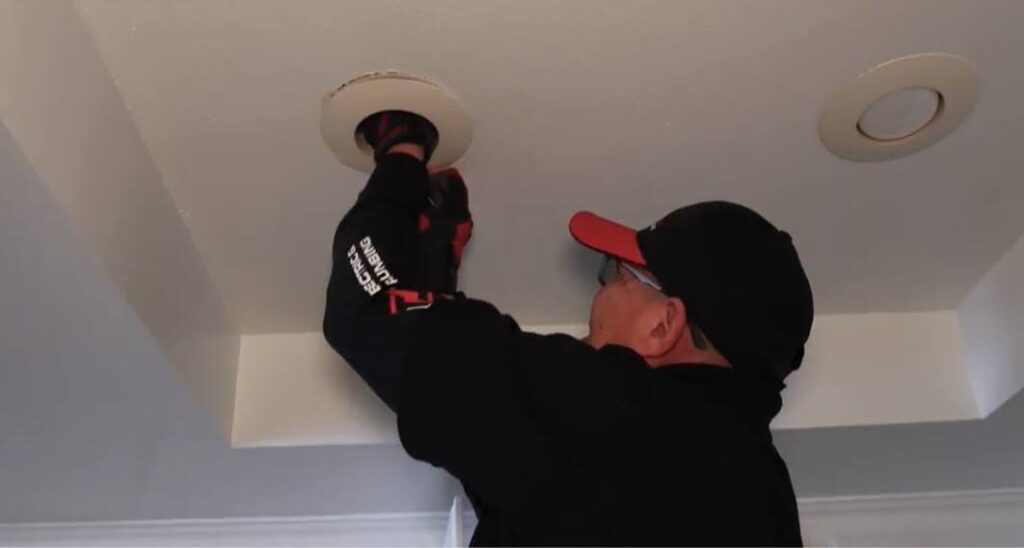
Professional electricians can identify hidden hazards in older home wiring systems.
Prevent Future Flickering Light Problems
Once flickering issues are fixed, a proactive maintenance approach can help keep your older home’s electrical system stable and prevent future problems. These steps help catch small issues early before they turn into flickering lights or larger safety concerns.
Regular Electrical Maintenance Schedule
Older homes benefit from routine electrical checkups. Most experts recommend a professional electrical inspection about every 3–5 years (sooner for older wiring, after renovations, or any time warning signs appear). Inspections should include panel checks for overheating, testing GFCIs and AFCIs, grounding verification, and reviews of accessible junction boxes and fixtures. Between visits, simple seasonal self-checks of outlets, switches, and cords add another layer of protection.
Smart Home Monitoring Options
Modern monitoring tools can help track electrical performance between inspections. Smart circuit monitors and breakers identify unusual power usage or voltage changes before flickering becomes noticeable, sending alerts when circuits approach overload. Whole-house surge protectors installed at the main panel also help protect wiring and appliances from power spikes that can worsen existing issues. In partially updated homes, wireless temperature sensors near older connections can provide early warnings of overheating.
When to Plan for System Upgrades
Instead of waiting for failures, plan upgrades when warning signs appear. Frequent breaker trips, reliance on extension cords, ungrounded outlets, or outdated wiring like knob-and-tube or aluminum all indicate it may be time to modernize. Scheduling electrical upgrades alongside other renovations can reduce costs and limit disruption while improving long-term safety and reliability.
Find Reliable Lighting Repair with Point Loma Home Pros
Point Loma Home Pros, Plumbing, Heating & Air, specializes in keeping older San Diego homes safe, comfortable, and fully functional. We understand the unique challenges vintage homes face, especially with electrical systems. Flickering lights, warm outlets, tripping breakers, or outdated wiring aren’t just annoyances; they’re potential hazards that need expert attention.
Point Loma Home Pros specializes in keeping older San Diego homes safe, bright, and functional.
Our team provides comprehensive electrical services designed for homes of all ages, including EV charger installations, panel upgrades, whole-home rewiring, outlet repairs, and surge protection. We also handle aluminum wiring remediation and upgrades for GFCI and AFCI protection, ensuring your home is safe and modernized without compromising its character.
Why homeowners trust us:
- Experts in older San Diego homes with decades of hands-on experience
- Full-service solutions: electrical, plumbing, heating & air, all coordinated through one team
- Safety-first workmanship with no shortcuts, clear explanations, and high-quality installations
- Friendly, community-rooted service with technicians you can trust
About flickering lights or any electrical issue, we don’t just fix the problem, we ensure your home is safely illuminated and functioning properly. From small repairs to complete system upgrades, we deliver reliable solutions that give peace of mind and lasting results.
Get your lights fixed today. Schedule with Point Loma Home Pros!
Frequently Asked Questions (FAQs)
Is flickering lighting in my house dangerous?
Persistent flickering can indicate serious electrical issues like loose wires or deteriorating circuits that may lead to fire hazards if left unaddressed.
Can I fix flickering lights myself?
Minor causes like loose bulbs or incompatible dimmers can sometimes be fixed DIY, but wiring issues, faulty switches, or aluminum wiring should always be handled by professionals.
How do I know if my home needs complete rewiring?
Signs include persistent flickering across multiple lights, ungrounded outlets, knob-and-tube or aluminum wiring, and frequent breaker trips despite normal use.
Can Point Loma Home Pros help with flickering lights?
Yes, Point Loma Home Pros licensed electricians specialize in older San Diego homes, diagnosing and fixing flickering lights, upgrading panels, and ensuring safe, reliable electrical systems.
Can I install LED lights in an old home with outdated wiring?
LEDs can be used in older homes and reduce electrical load, but dimmer switches must be compatible. Avoid exceeding the fixture’s rated wattage—and if your home has knob-and-tube or other outdated wiring, have an electrician evaluate the wiring before adding new lighting or electrical loads.