
Key Takeaways
- To choose between a heat pump and a furnace-plus-AC setup, weigh your climate, whether you already have gas and ducts, and how long you plan to stay in the home.
- A heat pump is a single electric unit that heats and cools by moving heat; a furnace-and-AC pairing uses two units: a gas furnace plus a separate condenser.
- Heat pumps offer single-system simplicity, lower bills in mild climates, no gas line required, and strong rebates, but they cost more upfront and may require a panel upgrade.
- Furnace and AC setups give hotter air, familiar parts, and easy single-unit swaps, but mean two systems and gas reliance; in San Diego’s mild climate, heat pumps hold the efficiency edge.
- Point Loma Home Pros installs heat pumps, mini-splits, furnaces, and AC systems sized correctly for older San Diego homes and their specific layouts.
Choosing Between a Heat Pump & Traditional HVAC
For most San Diego homeowners, a heat pump is the more efficient way to heat and cool, simply because the local climate rarely leaves the range where it performs best. A furnace and AC pairing still earns its place, but mainly in specific situations rather than as the default.
Heat pump pros include single-system simplicity, lower energy use in mild climates, no gas line needed and strong rebate eligibility; the cons are higher upfront investment and possible panel upgrades. Furnace and AC pros include strong hot-air output, familiar tech and easy single-unit replacement; the cons are two systems to maintain, gas dependence and a larger combined footprint. The sections below break down each point in full.

What is a Heat Pump?
A heat pump is an electric system that transfers heat between your home and the outside air. In summer, it pulls warm air out of your house and releases it outdoors, working as an air conditioner. In winter, it reverses direction and pulls heat from the outside air into your home.
Because it moves heat rather than generating it through combustion, a heat pump uses less energy than a gas furnace in mild climates. Ductless mini-splits are a popular heat pump option for older San Diego homes that lack ducts, since they can be installed through small wall openings and serve individual rooms or zones.
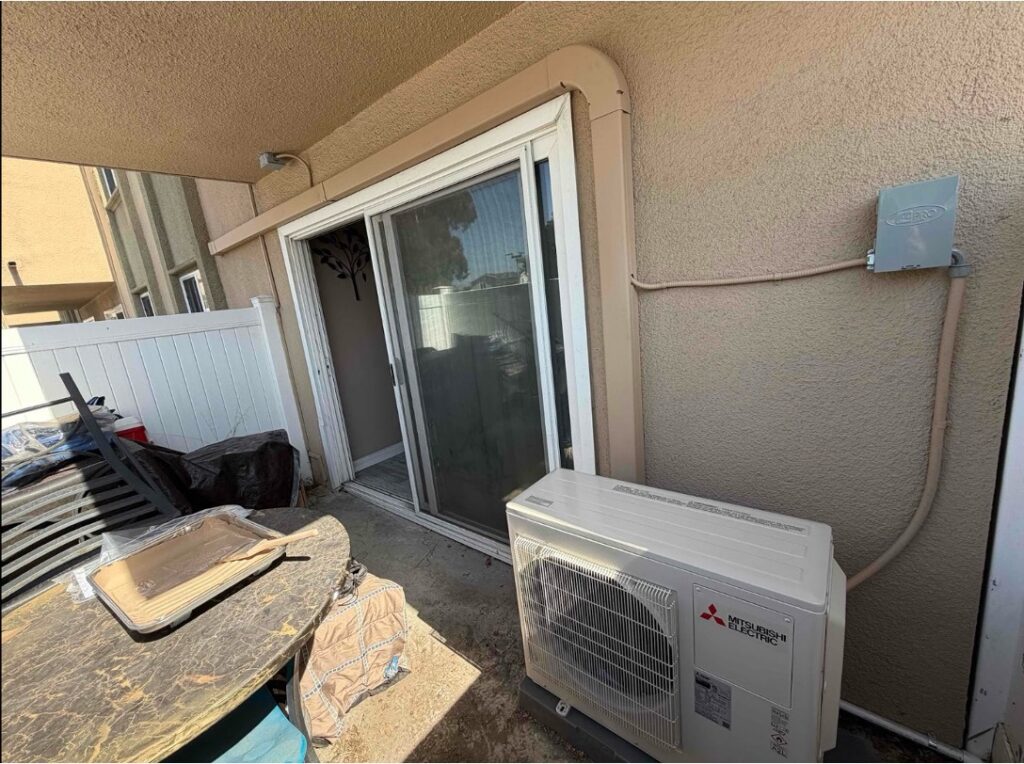
A heat pump moves heat rather than generating it, making it more energy-efficient than a gas furnace in mild climates.
What is a Furnace & AC System?
A furnace heats your home by burning natural gas (or running electric resistance coils) and pushing warm air through ducts. A central AC unit sits outside and uses refrigerant to cool indoor air, sharing the same duct system. Together, they form what’s called a split system.
This setup has been the standard in American homes for decades. It works well in colder regions where heat pumps once struggled, but in San Diego, many homeowners use the gas furnace only a handful of nights each year, while the AC sees heavier use during late summer and fall.
Key Differences Between a Heat Pump & a Furnace + AC
Energy Source
Heat pumps run on electricity alone, which pairs well with solar panels and all-electric home plans. A furnace typically burns natural gas, while the AC uses electricity, so the household relies on two utilities instead of one. Homes without an existing gas line can install a heat pump without bringing in new fuel service.
Output Style
A gas furnace produces noticeably hotter air at the vents, which some homeowners prefer on cold mornings. A heat pump delivers warm air at a milder temperature for longer cycles, which feels more even but less intense. Both keep the home at the same set temperature; the comfort level is just different.
Efficiency
Heat pumps deliver more heating or cooling per unit of energy consumed in mild climates, thereby lowering monthly bills. Gas furnaces lose efficiency through combustion and venting but still outperform heat pumps in deep cold, a scenario San Diego almost never sees. For our climate, the efficiency edge sits firmly with heat pumps year-round.
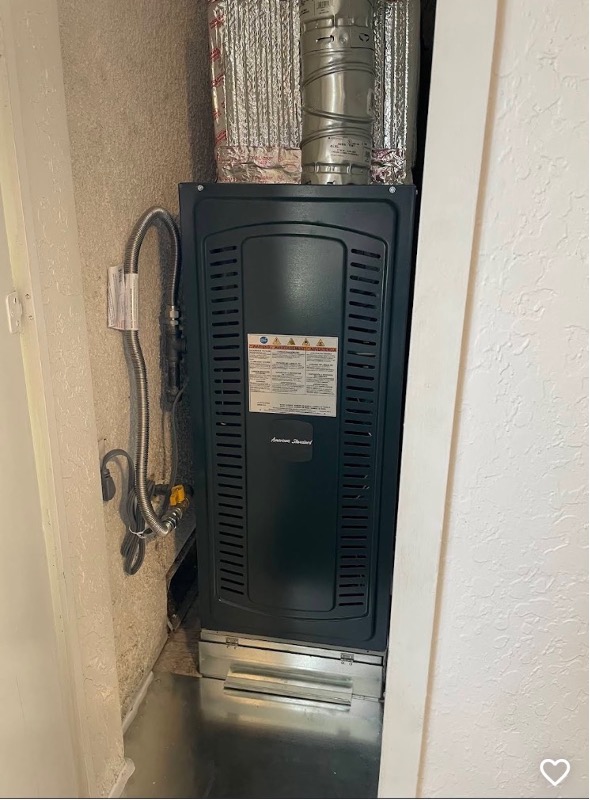
Heat pumps and furnaces differ in energy source, output style, and overall efficiency.
Pros & Cons of Each System
Heat Pump Pros
- One system handles both heating and cooling, simplifying maintenance and service calls.
- Lower energy use in mild climates because the system moves heat rather than burning fuel.
- No gas line required, making it a good fit for all-electric homes or properties without existing gas service.
- Strong rebate and tax credit eligibility through federal and California state programs.
- Mini-split versions are installed in homes without ducts, which suits many older San Diego properties.
- Quieter outdoor operation compared with most gas furnace and AC combinations.
Heat Pump Cons
- Higher upfront investment than replacing an AC alone.
- May require an electrical panel upgrade if your home has older or undersized service.
- Less effective in freezing temperatures, though this rarely matters in San Diego.
- Air output feels cooler at the vents than gas heat, which takes some getting used to.
Furnace & AC Pros
- Familiar technology with widely available parts and technicians.
- Strong, hot air output during cold snaps for fast warm-up.
- Easier to replace one unit at a time when only one fails, and the other still has life left.
- Works with existing gas lines and ductwork without major retrofits, reducing install complexity.
- Gas furnaces can continue heating during certain power-outage scenarios with the right setup.
Furnace & AC Cons
- Two systems mean two maintenance schedules and two eventual replacements.
- Heavier reliance on natural gas during the heating season.
- Combustion equipment inside the home requires venting and carbon monoxide monitoring.
- Larger combined footprint than a single heat pump system.
- Less alignment with solar panel investments since the furnace doesn’t run on electricity.
Heat Pump vs Furnace & AC: Comparison Table
| Feature | Heat Pump | Furnace and AC |
|---|---|---|
| Equipment count | One system | Two systems |
| Energy source | Electric | Gas + electric |
| Heating and cooling | Both in one unit | Heat from furnace, cool from AC |
| Maintenance schedules | One | Two |
| Comfort feel | Steady, milder warm air | Hotter air bursts |
| Best for | Mild climates, all-electric homes, ductless setups | Homes with existing gas and ducts |
| San Diego fit | Excellent | Good for homes with newer furnaces |
Why Point Loma Home Pros Is the Right Call for This Decision

Point Loma Home Pros offers expert HVAC consultations to help San Diego homeowners choose the right heating and cooling system.
Both systems work well in the right home. Picking between them depends on your panel capacity, duct condition, and long-term plans for the home, which is where we come in.
Point Loma Home Pros holds Diamond Elite Dealer status with both Mitsubishi Electric and American Standard, so we install heat pumps, mini-splits, furnaces, and AC systems at certification levels most contractors can’t reach, book a system consultation with our team to find out which setup fits your home.
Frequently Asked Questions (FAQs)
Can a heat pump replace both my furnace and AC?
Yes. A heat pump handles heating and cooling in one system, so it can fully replace a furnace and AC pairing. Most San Diego homes benefit from this swap because the climate stays within a heat pump’s efficient operating range nearly year-round, even during the coolest weeks.
Do heat pumps work in cold weather?
Modern heat pumps perform well down to around 5°F, and San Diego rarely approaches that. For our climate, cold-weather performance is essentially a non-issue, and high-efficiency models hold their output even on the coolest winter nights here without backup heat strips kicking on.
Is a mini split the same as a heat pump?
A mini split is a type of heat pump that delivers conditioned air directly into rooms without ducts. It’s the same core technology as a ducted heat pump, just configured for homes that lack ductwork or need zoned comfort, which is common in older San Diego properties.
How long do heat pumps and furnaces typically last?
Heat pumps usually last 12 to 15 years, gas furnaces 15 to 20 years and central AC units 12 to 15 years. Regular maintenance extends those numbers, while skipped service tends to shorten them. Coastal San Diego salt air can also shorten the outdoor unit’s life if the equipment isn’t rinsed periodically.
Why should I choose Point Loma Home Pros for installing a heat pump, furnace and AC?
Point Loma Home Pros is a Mitsubishi Electric and American Standard Diamond Elite Dealer with a 50-person multi-trade team and deep experience in San Diego’s older homes. Our Home Care Club members get priority service and proactive maintenance to keep either system running reliably for years.
*Note: All pricing and service information is for general guidance only and reflects typical estimates at the time of writing. Actual costs, scope, and timelines may vary based on the home’s condition, access, materials, project complexity, and local market factors. For more information on our services and current pricing, visit Point Loma Home Pros.