
Key Takeaways
- Cast iron pipes corrode from the inside out, so visible symptoms like rust-colored water, slow drains, and sewage smells are signs that the deterioration is already well advanced.
- Never use chemical drain cleaners on cast iron pipes, as most contain sulfuric acid that actively accelerates corrosion.
- If sewage backups, recurring leaks, or foundation cracks are appearing together, request a professional camera inspection before committing to isolated repairs.
- Mold growth near plumbing fixtures and the leaking cast iron pipe driving it must be addressed together, not separately.
- At Point Loma Home Pros, we provide San Diego residents with a trusted full-service plumbing team, backed by over 2,000 five-star reviews and a repair-first approach built on honesty and accountability.
8 Signs It’s Time to Replace Your Cast Iron Pipes
Persistent leaks, rust-colored water, foul sewage smells, and mold growth near plumbing fixtures are the clearest signs your cast iron pipes need to be replaced. Cast iron corrodes from the inside out, so by the time these symptoms surface, the pipe walls have usually been thinning for years.
San Diego’s older neighborhoods accelerate the process. Homes built before 1975 typically run on cast iron drain and sewer lines, and decades of hard water, sulfur content, and shifting soil have pushed many of these systems to the end of their service life. Spot repairs can buy time, but once deterioration is widespread, patching one section while the rest continues to corrode is just delaying a full replacement.
Below are the eight warning signs that mean it’s time to call a licensed plumber and get your cast iron system inspected before a slow leak becomes structural damage.

1. Persistent Leaks That Keep Coming Back
A single leak can happen in any plumbing system. But when leaks keep returning at the same spot or in new locations, that is your pipes signaling something far more serious than an isolated failure. Recurring leaks in cast iron systems are almost always a symptom of widespread pipe wall deterioration. Patching one spot while the rest of the pipe continues to corrode only delays the inevitable.
Watch for water stains on ceilings below bathrooms, warped or bubbling flooring near fixtures, and damp spots in crawl spaces. These are signs of active water intrusion that has been going on long enough to saturate surrounding materials. Left unaddressed, persistent leaks lead to mold growth, wood rot, and in severe cases, structural damage.
2. Foul Sewage Smells Inside Your Home
A properly functioning plumbing system is completely sealed. Sewer gases, including hydrogen sulfide and methane, should never be detectable inside your home. If you notice a persistent rotten egg or sewage smell near floor drains, toilets, or in lower-level rooms, deteriorated cast iron pipes are a primary suspect.
As cast iron ages and develops fractures, the seal that contains sewer gases breaks down. Hydrogen sulfide is toxic at elevated concentrations, and methane is flammable. A persistent sewage odor is a safety issue, and not a nuisance to ignore.
Sewer smells can be intermittent, appearing and disappearing based on temperature, humidity, and water usage. Do not dismiss the odor because it comes and goes.
3. Rust-Colored or Brown Water From Your Faucets
Brief discoloration after a long period of inactivity can occur in any home. But consistently rusty or brown water coming from your faucets is a direct sign that your cast iron pipes are corroding from the inside out. As pipe walls break down, iron oxide flakes off and enters your water supply.
This is both a health concern and a structural one. Corroded pipe material in your water is particularly concerning for households with young children or immunocompromised individuals.
Thin, corroded pipe walls are also far more likely to develop leaks or fail under pressure. Rust-colored water warrants a professional inspection.
4. Slow Drains That Will Not Clear
Slow drains are easy to dismiss because they seem minor. But reaching for a chemical drain cleaner is one of the worst responses when the pipes are cast iron. Most drain-cleaning products contain sulfuric acid, which actively accelerates the corrosion of cast iron, turning a slow drain into a pipe failure.
The buildup in aging cast iron is also different from that in newer systems. As the pipe corrodes internally, the rough, pitted surface catches debris far more aggressively than smooth PVC. Over time, rust scale, mineral deposits, and organic buildup can significantly reduce the internal pipe diameter.
If multiple drains in your home are running slowly at the same time, or if drains that have been professionally cleared clog again within weeks, the problem is the pipe, not the clog. A camera inspection will often reveal heavy internal scaling or collapsed sections that no amount of snaking can permanently resolve.
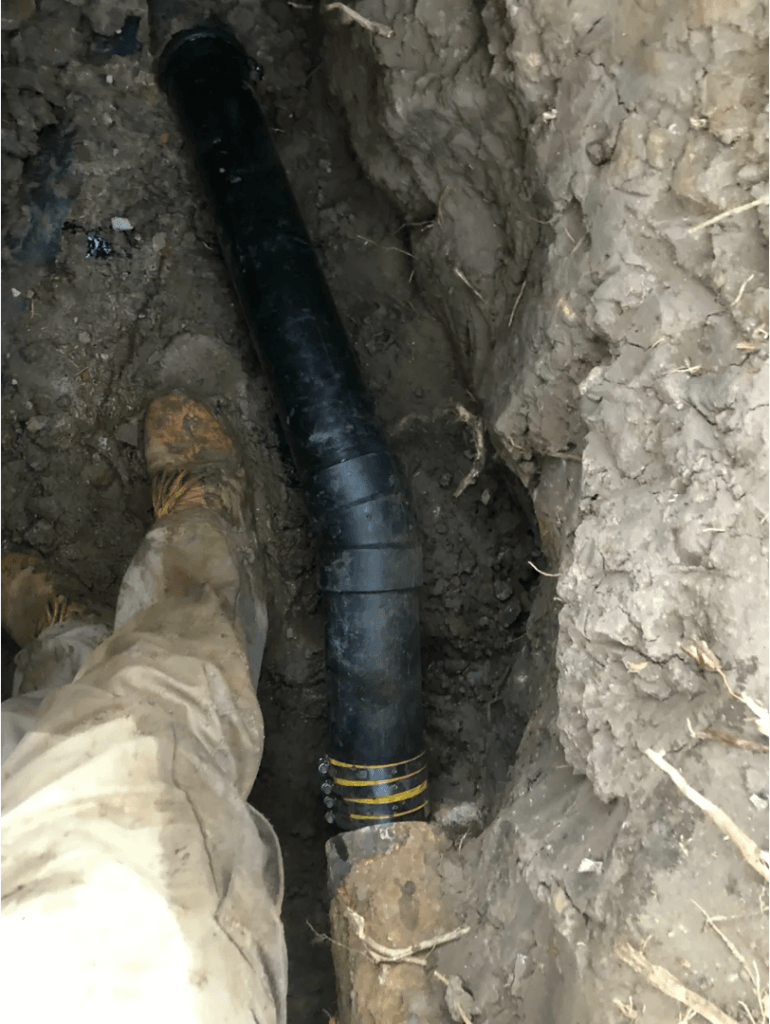
Modern sewer pipe materials resist the corrosion and buildup that compromise aging cast iron systems over time.
5. Mold Growth Near Pipes or on Walls
When cast iron pipes develop slow leaks inside walls or beneath floors, they create the exact conditions mold needs: consistent moisture, warmth, and organic material. By the time mold becomes visible on a wall surface, it has almost always been growing behind that wall for weeks or months.
Visible black, green, or white patches near plumbing fixtures are the obvious indicator. But subtler signs appear first: a persistent musty odor even after cleaning, paint that bubbles or peels without an obvious cause, and unexplained allergy-like symptoms in household members.
Mold growing inside wall cavities cannot be fully remediated without first addressing the moisture source. Replacing the leaking cast iron pipe and resolving the mold problem need to happen together.
6. Cracks or Damage to Your Home’s Foundation
Most homeowners never connect foundation damage to their plumbing, but the link is direct. When cast iron sewer or drain pipes crack beneath a slab or along exterior walls, water continuously saturates the surrounding soil. Over time, that persistent moisture causes soil to shift, erode, or expand unevenly, placing stress on the foundation.
Signs to watch for include horizontal or stair-step cracks in foundation walls, doors that stick or no longer latch properly, and gaps between walls and ceilings or floors. Also note uneven flooring in lower levels and tile cracks in bathrooms or kitchens above drain lines.
7. Sewage Backups in Toilets, Sinks, or Drains
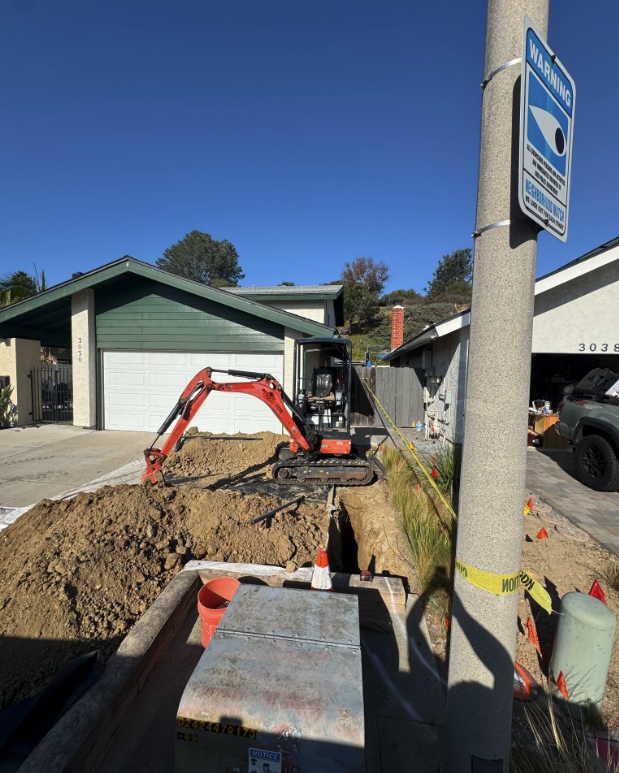
Recurring backups across multiple fixtures usually mean the main sewer line has failed, prompting a full sewer line excavation.
In homes with aging cast iron systems, a sewage backup is rarely an isolated incident. When deteriorated pipe walls, heavy scaling, or partial pipe collapse restricts flow through the main sewer line, waste backs up through the lowest drain points in the home: floor drains, ground-floor toilets, and basement sinks.
Raw sewage in living spaces is a health hazard and a clear signal that the cast-iron system may be at or beyond its functional end. A one-time backup that clears after professional snaking and does not return for years could be a localized clog. But if backups occur more than once per year, affect multiple fixtures at the same time, or return quickly after professional clearing, the pipe itself is the problem.
8. Visible Rust, Flaking, or Corrosion on Exposed Pipes
Exposed cast iron pipes in a basement, crawl space, or utility room give you a rare opportunity to visually assess your system’s condition. Healthy cast iron has a dark, uniform appearance.
What you do not want to see is orange or brown rust spreading across the pipe surface, white mineral deposits at joints, flaking or pitting along the pipe wall, or sections that appear to be thinning. Visible deterioration on exposed sections is almost always matched or exceeded by what is happening inside the pipe walls and in the sections you cannot see.
Point Loma Home Pros: Expert Plumbers for San Diego Homes

Our licensed plumbing team is ready to assess your cast iron system and give you a picture of where things stand.
Cast iron pipes do not fail overnight. The signs build gradually, and by the time most homeowners notice something is wrong, the deterioration is already well along. From rust-colored water to recurring sewage smells to drains that will not stay clear, each symptom points to a system that is running out of time.
With over 2,000 five-star reviews and a team of 50 licensed technicians, Point Loma Home Pros specializes in the plumbing systems found in San Diego’s older neighborhoods. When a cast iron system has reached the end of its service life, we give homeowners a clear, honest assessment and a replacement plan built to last. If you notice any of the signs mentioned above, contact us and have a licensed plumber assess your system.
Schedule a pipe inspection with Point Loma Home Pros plumbing experts.
Frequently Asked Questions (FAQs)
How do I know if my house has cast iron pipes?
If your house was built before 1975, there is a strong likelihood that your drain and sewer lines are cast iron. Check exposed pipes in your basement, crawl space, or utility room; cast iron is dark gray to black, extremely heavy, and produces a dull thud when tapped, compared to the hollow sound of PVC. A licensed plumber can run a camera inspection through your drain lines to visually confirm the pipe material throughout the system.
How long does it take to replace cast iron pipes in a home?
For most standard residential replacements, the work takes between one and three days. Larger homes, complex layouts, or projects requiring concrete cutting can extend the timeline to a week or more. Your plumber should provide a clear project timeline before work begins so you can plan accordingly.
What is the average cost to replace cast iron pipes?
Whole-home repipe services in San Diego typically range from $15,000 to $30,000, depending on the size of the home, pipe accessibility, and the scope of work involved. Costs can vary based on whether trenchless methods are used or if the home has a slab foundation requiring concrete work. A professional assessment is the best way to get an accurate estimate for your specific situation.
Are cast iron pipes covered by homeowner’s insurance?
Standard homeowner’s insurance policies typically cover sudden and accidental water damage, but generally do not cover damage caused by gradual deterioration or aging. Because cast iron pipe failure is considered a maintenance issue, most claims related to corroded pipes are denied. Some insurers offer service line coverage as an add-on endorsement that covers underground pipe failure, which is worth asking about if you have an older home.
Can cast iron pipes be repaired instead of replaced?
It depends entirely on the extent of the deterioration. Isolated damage in a section that is otherwise in good condition can sometimes be addressed with a spot repair or localized lining.
When corrosion is widespread, spot repairs become an expensive cycle that delays the inevitable. Point Loma Home Pros provides honest inspections so homeowners get a clear picture of what their system actually needs before any recommendation is made.
*Note: All pricing and service information is for general guidance only and reflects typical estimates at the time of writing. Actual costs, scope, and timelines may vary based on the home’s condition, access, materials, project complexity, and local market factors. For more information on our services and current pricing, visit Point Loma Home Pros.