Key Takeaways
- Frequent breaker trips during normal use often signal overloaded circuits or a breaker that may be wearing out and no longer responding properly.
- Burn marks, scorch stains, melted wires, or burning smells near the panel can indicate overheating or dangerous electrical arcing that increases fire risk.
- Buzzing, humming, or clicking sounds from the electrical panel may point to loose connections, internal breaker issues, or circuits under constant strain.
- Old or physically damaged breakers, including those with cracks, corrosion, or those that won’t stay on, may no longer provide reliable electrical protection.
- When these issues appear, homeowners in San Diego can rely on Point Loma Home Pros for a safety-focused inspection and expert evaluation of breaker panels and whole-home electrical systems to help prevent larger hazards.
When Should I Replace a Circuit Breaker?
Your circuit breaker is the last line of defense against electrical fires, automatically shutting off power when something goes wrong, like a short circuit, surge, or wiring fault. When it starts to fail, the warning signs are often subtle, such as frequent tripping, faint burning smells, flickering lights, or unusual noises.
Common red flags include breakers that trip too often under normal use, scorch marks or burning odors near the panel, buzzing or clicking sounds, and physical damage or aging breakers. These issues can point to overloaded circuits, internal breaker failure, or serious hazards like electrical arcing and overheated wiring, all of which are especially common in older San Diego homes with original panels.
In many older San Diego homes, particularly in neighborhoods like Point Loma, North Park, Mission Hills, and La Mesa, these symptoms often suggest the electrical system is no longer operating safely and should be evaluated by a licensed professional, such as the team at Point Loma Home Pros, to help prevent further risk.
Warning Sign 1: The Breaker Trips Frequently.
Every circuit breaker trips occasionally; that’s normal. What matters is how often. If it’s happening regularly during everyday use, it’s a sign that something isn’t right.
In many homes, especially older ones, this can point to an overloaded circuit or a breaker that’s simply worn out over time.
What Counts as “Too Often” for a Tripping Breaker
A trip once in a while during heavy use is usually just the system doing its job. But if it’s happening weekly, or under light, routine use, that’s a clear warning sign. Consistent tripping often means the breaker is no longer reliable and needs professional attention.
How to Tell If the Load or the Breaker Is the Problem
If your breaker keeps tripping, there are a few clues that can help you understand whether the issue is likely a circuit overload or the breaker itself. When too many devices on the same circuit are running at once, the breaker may trip because the load is simply too high.
When the breaker trips repeatedly during light, routine use, or struggles to stay reset, the breaker itself may be failing internally.
Because diagnosing the exact cause involves working inside the electrical panel, this evaluation should always be handled by a licensed electrician who can safely test the circuit, measure the load, and confirm whether the breaker needs to be replaced.

Frequent breaker trips often signal that a circuit is under stress or not functioning as intended.
Warning Sign 2: Burn Marks, Scorch Stains, or a Burning Smell
Any sign of burning near your electrical panel needs immediate attention. Scorch marks, discoloration, or a burning smell mean something inside has overheated.
This can include dark marks on breakers, a melted plastic odor, warped components, or damaged wire insulation. By the time you see them, the problem is already happening.
Why Burn Marks Signal a Real Fire Hazard
Burn marks often mean electrical arcing has occurred, where electricity jumps where it shouldn’t. This creates extreme heat that can spread beyond what you see, potentially affecting wiring behind the panel and increasing fire risk inside the walls.
What Melting Wires Near the Panel Actually Mean
Melted insulation is a serious concern. It usually means wires have overheated beyond safe limits, often because the breaker didn’t shut things off in time. If you notice this, avoid using that circuit and have a licensed professional inspect it right away.
Warning Sign 3: Buzzing, Humming, or Clicking Sounds From the Panel
A healthy electrical panel should be quiet. If you’re hearing buzzing, humming, or repeated clicking, something inside isn’t operating correctly. These sounds usually signal an electrical issue developing inside the panel.
What These Sounds Mean
Buzzing usually suggests a loose connection or a breaker that isn’t making solid contact. Humming can indicate a breaker is under constant strain from an ongoing electrical load, and it’s failing to shut off properly.
Clicking that happens on its own may signal internal arcing, which is a more serious condition. Any of these sounds should be taken seriously and checked promptly by a licensed electrician.
Warning Sign 4: The Breaker Is Old or Physically Damaged
Circuit breakers don’t last forever. Even if they seem fine on the surface, the internal parts can wear down over time and stop responding correctly. This is especially common in older homes where the electrical system hasn’t been updated in decades.

Aging breakers may no longer respond reliably to electrical faults over time.
How Long Circuit Breakers Actually Last
Most breakers are designed to last around 25 to 40 years, but heavy use, heat, or power surges can shorten that lifespan. In older San Diego homes, especially those built in the 1980s or earlier, electrical systems may already be past their reliable service life.
Certain older panel brands, such as Zinsco and Federal Pacific, are widely known for reliability issues, with breakers that may fail to trip properly under load. These panels are a significant safety concern, and many insurance providers will no longer cover homes that still have them installed, making professional evaluation especially important.
Physical Damage Signs That Mean Immediate Replacement
- Cracks in the breaker casing can weaken protection inside the panel.
- A breaker that won’t stay in the ON position often indicates internal failure.
- Rust or corrosion suggests moisture damage affecting performance.
- Excessive heat on the breaker or panel is not normal and should be checked.
- Burn marks or melted areas point to past electrical arcing and a serious risk.
When to Call Our Team at Point Loma Home Pros for Breaker Panel Issues
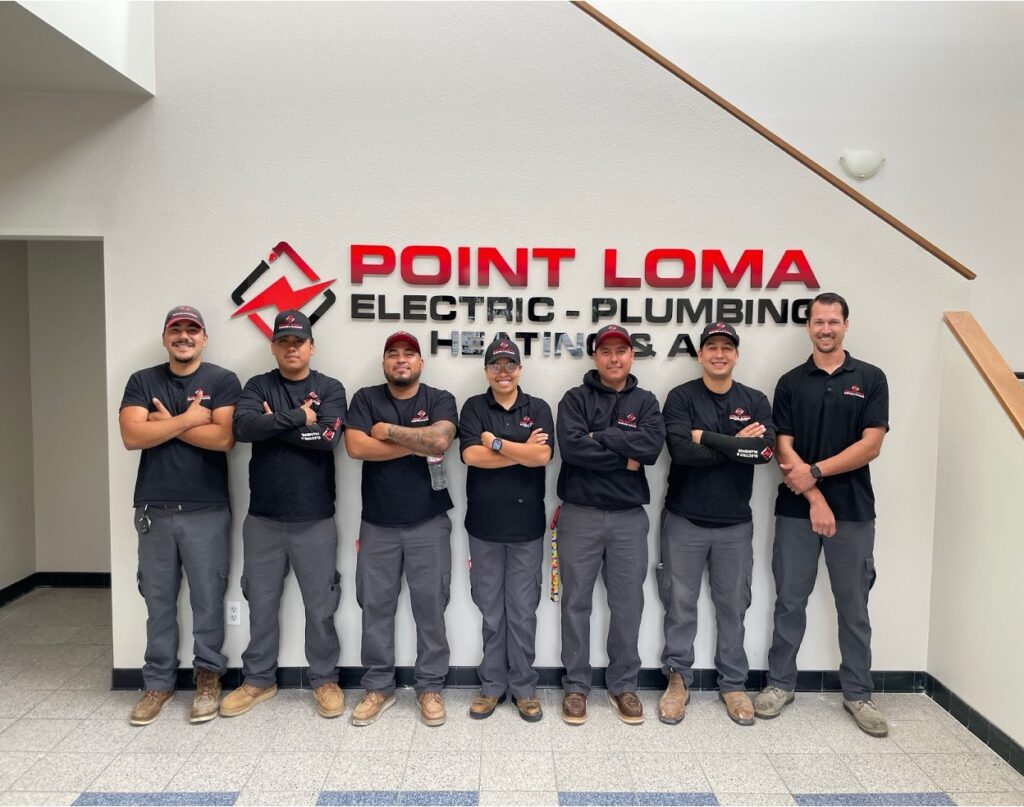
Electrical panels should always be handled with care and inspected by qualified professionals.
When a circuit breaker shows repeated tripping, burning smells, unusual sounds, or visible damage, the safest approach is to have the system professionally inspected rather than trying to guess the cause. These warning signs often point to deeper electrical issues that need proper diagnosis to prevent further risk.
At Point Loma Home Pros, we help San Diego homeowners identify and resolve these types of panel and circuit issues with a safety-first approach. Backed by more than 2,000 five-star reviews, our team works across electrical panels, wiring, and whole-home systems, making sure your electrical system is operating safely, reliably, and up to modern standards. A quick inspection today can help prevent a major issue tomorrow.
Schedule your inspection today.
Frequently Asked Questions (FAQs)
Can a circuit breaker go bad without tripping?
Yes. A breaker can stop functioning properly without showing obvious warning signs. It may still look normal on the outside, but it fails to respond correctly when there’s an electrical issue. This can be harder to notice compared to a breaker that trips frequently, which at least signals something is wrong.
How much does it cost to replace a circuit breaker?
Replacing a single breaker is usually a relatively small job, and the cost depends on the type of breaker and the complexity of the work. Standard breaker replacements typically range from around $299 to $1,100 for main breakers, while specialized breakers, larger panel concerns, or related repairs can increase the overall cost. For a more accurate estimate based on your home’s specific setup, a professional evaluation is the most reliable starting point.
Can I replace a circuit breaker myself?
In most cases, it’s not recommended. Working inside an electrical panel carries serious safety risks, and improper handling can create dangerous situations. Because of this, breaker replacement is typically handled by licensed professionals with the proper training and equipment.
Is a flickering light always a sign of a bad breaker?
Not always. Flickering lights can come from simple issues like a loose bulb or fixture, but if it happens often, affects multiple areas, or appears with other electrical symptoms, it may point to a deeper issue that should be checked by a professional.
How do I know if my breaker panel needs a full upgrade?
A panel may need an upgrade if it’s outdated, struggling with modern electrical needs, or showing signs of wear over time. This is common in older homes or when adding new appliances that increase demand beyond what the system was designed for. In these cases, a professional evaluation from a team like Point Loma Home Pros can help determine whether repairs are enough or a full upgrade is the safer option.
*Note: All pricing and service information is for general guidance only and reflects typical estimates at the time of writing. Actual costs, scope, and timelines may vary based on the home’s condition, access, materials, project complexity, and local market factors. For more information on our services and current pricing, visit Point Loma Home Pros.