
Key Takeaways
- Older homes often have outdated wiring that can’t handle modern electrical demands, increasing the risk of performance issues and electrical fires.
- Warning signs like flickering lights, warm outlets, burning smells, tripping breakers, or buzzing sounds indicate your system may need rewiring or upgrades.
- Certain wiring types, such as knob-and-tube, aluminum, and fabric-insulated, pose inherent safety hazards and require professional evaluation.
- A full home rewiring involves careful planning, room-by-room installation, and professional inspections to ensure long-term safety and reliability.
- Point Loma Home Pros provides licensed, experienced electricians who specialize in older San Diego homes, offering full-service solutions that protect your home, family, and peace of mind.
Why Electrical Wiring Matters
Your home’s electrical system works quietly in the background, like a behind-the-scenes system delivering power where it’s needed and supporting everything from lighting and appliances to today’s connected technology. When that system is outdated or worn, it can struggle to keep up with modern demands in ways most homeowners don’t immediately see.
Homes built decades ago were never designed for today’s electrical load. In fact, U.S. electricity use has climbed dramatically since 1950, reflecting how much more we rely on electric devices, appliances, and home technology today. As usage increases, older wiring, panels, and connections can experience added stress, leading to performance issues and safety concerns over time.
NFPA reports that electrical distribution or lighting equipment is the leading cause of home fire property damage, and aging or inadequate electrical systems can increase risk over time. In many cases, homeowners are unaware of underlying issues until a professional inspection identifies outdated wiring, overloaded circuits, or missing safety protections.
Modern electrical codes are designed to reduce these risks through features like proper grounding, AFCI protection, and sufficient system capacity. Homes wired 25 or more years ago often predate many of today’s protection standards. If your home still relies on original wiring, it may not provide the level of protection or reliability that today’s households expect, making a professional evaluation an important step toward long-term safety and peace of mind.

Signs Your House May Need Rewiring
Homes often show subtle signs when their electrical system is no longer keeping up. Recognizing these early warnings can help prevent larger safety and reliability issues down the road.
Your Home’s Age
Electrical systems don’t have a single fixed lifespan, as wiring type, installation quality, and conditions matter, but original wiring that’s several decades old is a strong reason to get a professional evaluation. If your home was built before 1980 and has never been rewired, the wiring may no longer meet today’s safety standards or electrical demands. Many older homes were designed for far less power than modern households require, which puts added strain on the system.
Ongoing Flickering or Dimming Lights
Lights that flicker or dim regularly, especially when appliances turn on, often indicate overloaded circuits or aging connections. Occasional flickering can happen, but consistent issues throughout the home usually point to a system-wide problem that deserves professional attention.
Burning Smells or Warm Outlets
Unusual odors near outlets or switches, discoloration around covers, outlets that feel warm, or visible sparking are all signs of overheating. These issues should never be ignored and warrant immediate evaluation by a licensed professional.
Frequently Tripping Breakers
Circuit breakers are meant to protect your home, but repeated tripping during normal use suggests the system is underbuilt for your needs. Older homes often lack enough circuits to support today’s appliances and HVAC equipment safely.
Buzzing or Crackling Sounds
Electrical systems should operate quietly. Buzzing, sizzling, or crackling sounds from outlets or switches can indicate loose connections or deteriorating wiring—conditions that should be inspected promptly.
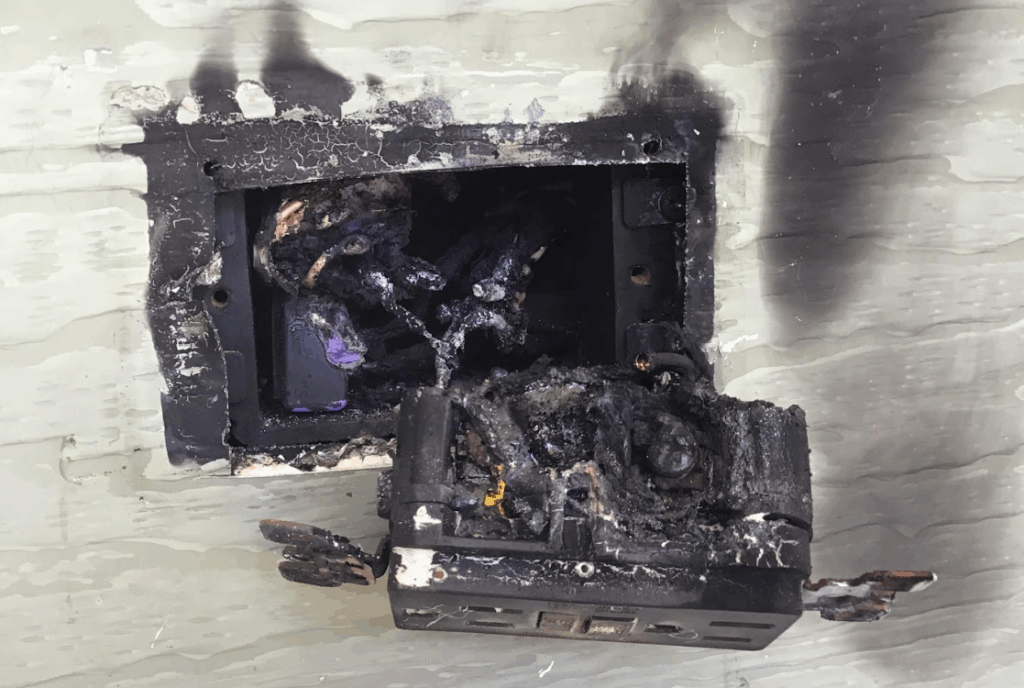
If your home is showing more than one of these signs, a professional electrical assessment can help determine whether rewiring or targeted upgrades are the right next step for long-term safety and reliability.
Dangerous Wiring Types That Need Immediate Attention
Some wiring systems found in older homes pose inherent safety risks by today’s standards. If your home contains any of the following, a professional evaluation is strongly recommended.
Knob-and-Tube Wiring (Pre-1950s)
Common in homes built before 1950, knob-and-tube wiring lacks grounding and relies on insulation that deteriorates over time. It was never designed for modern electrical loads and can overheat, especially when surrounded by attic insulation. For these reasons, it’s often flagged by inspectors and insurance providers.
Aluminum Wiring (Mid-1960s to Early 1970s)
Aluminum wiring was used during a brief period when copper was scarce. Over time, aluminum expands and contracts more than copper, which can loosen connections and create excess heat at outlets and switches. While certain repairs can reduce risk, full replacement is widely considered the safest long-term solution.
Fabric-Insulated Wiring (1950s–1970s)
Wiring with cloth insulation becomes brittle and breaks down as it ages, exposing conductors and increasing fire risk. Heat, time, and even rodent activity accelerate this deterioration, especially in attics and near light fixtures.
Electrical issues aren’t something to postpone indefinitely. If your home still relies on any of these wiring types, addressing them proactively can significantly improve safety and long-term reliability.
The House Rewiring Process: What to Expect
Understanding the rewiring process helps homeowners prepare both practically and mentally for this important project. A full home rewire generally follows a systematic approach, from careful planning to final inspection and certification.
Planning and Design
The process begins with a detailed electrical plan. An experienced electrician evaluates your family’s current and future electrical needs, maps out circuit layouts, and determines outlet placement and system capacity. This ensures the new wiring meets today’s demands while allowing for future upgrades.
Installation Phase
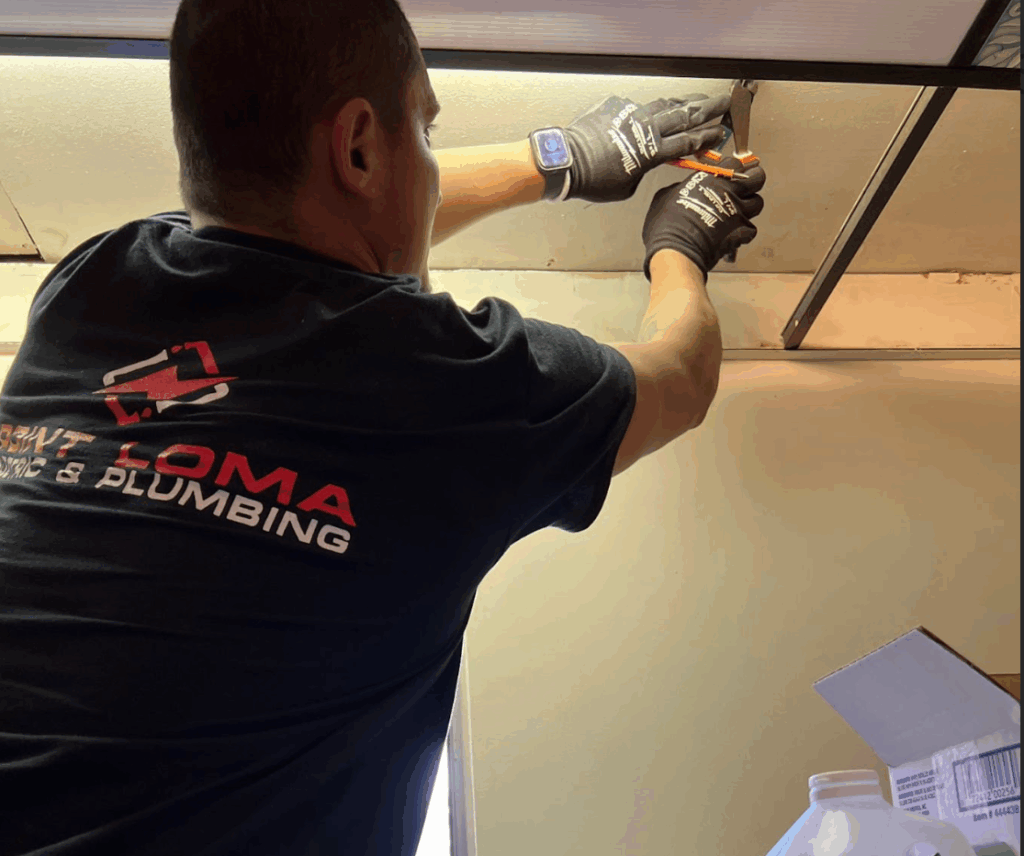
Rewiring proceeds room by room. Electricians run new wiring through accessible areas such as attics, basements, and crawl spaces. Where access is limited, small, strategically placed openings may be made in walls to route wires. These are done carefully to minimize structural impact and make later repairs simple.
Typical Timeline
The duration of a full home rewire varies based on home size, access, and project complexity. For many three-bedroom homes, rewiring can take several days to a few weeks of active electrical work—then additional time for permits, inspections, and patching/paint depending on the scope.
- Initial assessment and planning: 1–2 days
- Obtaining permits: timing varies—some standalone electrical permits can move quickly, while plan-review projects take longer based on the City’s weekly processing timelines.
- Running new wiring: 3–7 days
- Installing outlets and switches: 1–3 days
- Panel upgrades and connections: 1–2 days
- Inspection and certification: 1–3 days
- Patching and finishing work: 2–5 days
Total timelines vary widely. As a rule of thumb, expect “several days to a few weeks” for the electrical work itself, and longer overall if wall access is limited or substantial patching/finishing is needed.
Living Arrangements During Rewiring
Many homeowners wonder if they can stay in the house during rewiring. It’s possible, but expect frequent power outages, construction noise, and limited access to certain areas. Families with young children, elderly members, or those working from home may prefer temporary accommodations to reduce disruption.
Next Steps for Homeowners
If your home shows warning signs or contains high-risk wiring, acting sooner rather than later is key to protecting your home and family. The first step is scheduling a professional electrical inspection with a licensed electrician experienced in older homes. This assessment provides a clear picture of your system’s condition and identifies any safety concerns that need attention.
During the inspection, request a detailed report documenting all findings and recommendations. This serves multiple purposes: it helps you prioritize necessary repairs, plan upgrades in phases if needed, and provides documentation useful for insurance purposes. A qualified electrician can distinguish immediate hazards from longer-term improvements, ensuring safety without unnecessary disruption.
When choosing an electrical contractor, verify licensing, insurance, and experience with older homes. Ask for references from similar projects and review customer feedback for consistent satisfaction. Investing time to select the right professional ensures your home’s electrical system is updated safely, reliably, and built to last, giving you confidence for years to come.
Why Point Loma Home Pros Is the Trusted Choice for Your Home
When it comes to your home’s essential systems, electrical, plumbing, heating, and air, Point Loma Home Pros is the team you can rely on. Since 1988, we’ve proudly served San Diego homeowners, delivering full-service solutions focused on safety, reliability, and long-lasting performance. With our local expertise and commitment to quality craftsmanship, we make sure your home is always in capable hands.
- Comprehensive Expertise: From EV charger installations and panel upgrades to water heater replacements, sewer inspections, AC repairs, and whole‑home rewiring, we handle it all under one roof so you don’t have to juggle multiple contractors.
- Built for Older Homes: We understand the unique challenges older San Diego homes present, and we design solutions that respect both structure and safety codes.
- Licensed & Community‑Rooted: Our team is fully licensed, locally operated, and deeply invested in the neighborhoods we serve. We treat your home with the same care we’d give our own.
- Customer‑First Service: From the first call to the final inspection, you’ll experience clear communication, respectful service, and dependable results supported by hundreds of positive reviews and an A+ BBB rating.
If you’re addressing an urgent safety concern, planning a major upgrade, or simply looking to modernize your home’s systems for better comfort and efficiency, Point Loma Home Pros is here to guide you every step of the way.
One trusted team. Complete home care. Peace of mind you can count on.
Frequently Asked Questions (FAQs)
Can I live in my house while it’s being rewired?
Yes, but expect intermittent power outages, construction noise, and limited access to certain rooms. Families with young children, elderly members, or home-based work may choose temporary accommodations during the most intensive phases.
Is rewiring covered by homeowners’ insurance?
Preventative rewiring typically isn’t included in standard policies, but damage caused by outdated wiring may be covered. Some insurers offer endorsements for system upgrades, particularly for older or historic homes. Discussing options with your provider can reduce long-term risk and potential premium increases.
How long does rewiring last?
A properly installed modern electrical system can last for decades, but outlets, switches, and panels often need attention sooner, depending on wear, load, and environment. Environmental factors such as humidity, temperature fluctuations, and pests can also impact system lifespan. It’s smart to schedule an inspection when you buy an older home, after major renovations, or when you add large new electrical loads, especially if you notice warning signs like flickering lights, warm outlets, or frequent breaker trips.
Can I rewire just part of my house?
Partial rewiring is sometimes used to address high-risk areas first, like kitchens, bathrooms, laundry rooms, or overloaded circuits. However, mixing old and new wiring can create uneven safety levels. Most electricians recommend a phased plan toward full rewiring to ensure a cohesive, modern system throughout your home.
How do I know if my house has aluminum wiring?
If you’re wondering whether your home has aluminum wiring, start by checking your panel, basement, or attic for wires stamped with “AL” or “ALUMINUM.” Aluminum wiring is silver-colored and was commonly used in homes built between 1965 and 1973.
Point Loma Home Pros’s experienced and licensed electricians can inspect your home, identify any potential hazards, and advise whether a full replacement or targeted upgrades are the safest solution. We make sure your electrical system is both safe and reliable for years to come.