
Key Takeaways
- You need AFCI breakers on most 120-volt, 15- and 20-amp branch circuits serving habitable areas of a home, since these devices detect the kind of dangerous arcing from loose connections, damaged wiring, and aging insulation that standard breakers often miss before a fire starts.
- NEC 210.12 is the code that drives every AFCI requirement in residential wiring, mandating combination-type AFCI protection on most standard 120V circuits supplying outlets, lighting, and common household appliances in dwelling units.
- AFCI protection is now required in nearly every habitable room, including bedrooms, living rooms, dining rooms, kitchens, laundry areas, hallways, closets, family rooms, and sunrooms, covering virtually all everyday living spaces in a typical home.
- Older homes typically must comply with AFCI rules when circuits are extended or modified, during permitted renovations such as kitchen remodels and additions, and especially during electrical panel replacements, because the code in effect at the time of permitted work applies.
- Point Loma Home Pros helps San Diego homeowners bring older electrical systems up to current AFCI requirements through licensed, whole-home evaluations and code-aligned upgrades that prioritize long-term safety and reliability.
When Do You Need AFCI Breakers?
Homes need AFCI (Arc-Fault Circuit Interrupter) breakers on virtually all 120-volt, 15- and 20-amp branch circuits serving habitable spaces, a requirement set by NEC 210.12 that now reaches into nearly every room of a modern dwelling. These specialized devices watch for the rapid electrical patterns of an arc fault, caused by damaged wiring, loose connections, or worn insulation, and cut power before the heat can ignite a fire.
For older San Diego homes in neighborhoods like Point Loma, Mission Hills, and North Park, the requirement most often comes into play during renovations, circuit changes, or electrical panel upgrades. Once permitted work begins, the affected circuits must meet today’s code, not the one in place when the house was built.
At Point Loma Home Pros, we guide homeowners through AFCI compliance with whole-home electrical evaluations and code-aligned upgrades shaped around the realities of San Diego’s classic housing stock.

NEC 210.12: The Code That Governs AFCI Requirements
Every AFCI requirement in residential wiring comes from NEC 210.12, a section of the National Electrical Code that sets the baseline for where arc-fault protection is required. Electricians, contractors, and inspectors all follow this rule when designing or approving home electrical systems.
What NEC 210.12 Actually Says
NEC 210.12 requires that most 120-volt, single-phase, 15- and 20-amp branch circuits in dwelling units be protected by listed combination-type AFCI devices.
This includes circuits supplying electric outlets, lighting, and most connected equipment like receptacles, switches, and common household appliances. The intent is broad coverage, meaning AFCI protection is needed in most living areas of a home.
Which Circuits Fall Under the Rule
The requirement mainly applies to standard 120V, 15A, and 20A branch circuits found throughout residential properties. These cover most everyday household wiring, while higher-voltage or specialized systems are typically excluded.
In general:
- 120V, 15A bedroom circuits and living room → AFCI required
- 120V, 20A kitchen circuits → AFCI required
- 120V, 20A laundry circuits → AFCI required
Local jurisdictions may adopt different NEC editions (such as 2020 or 2023), which can slightly change enforcement details. Always confirm which code version your local authority is using before any electrical work begins.
Every Room That Requires AFCI Protection in a Dwelling Unit
Under the current NEC, AFCI protection is required in nearly all habitable areas of a home. It is no longer limited to bedrooms; most living spaces now fall under NEC 210.12.
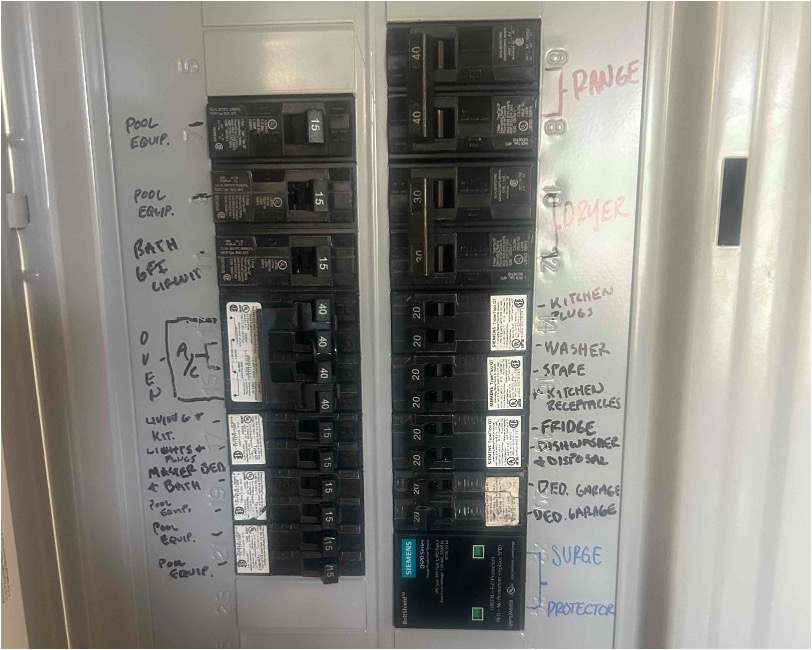
AFCI protection helps reduce risk in everyday living spaces like bedrooms, kitchens, and hallways.
Bedrooms, Living Rooms & Habitable Spaces
Bedrooms were the original focus of AFCI requirements, but the scope has expanded significantly. Today, living rooms, family rooms, dining rooms, dens, parlors, libraries, closets, hallways, recreation rooms, and sunrooms all require AFCI protection under NEC 210.12. These are all considered standard living spaces where electrical fire risk needs to be minimized.
Kitchens & Laundry Areas
Kitchens are high-demand areas with many outlets and appliances, so AFCI protection is required on all 120-volt, 15- and 20-amp branch circuits serving these spaces. This includes countertop outlets and circuits for built-in appliances like dishwashers and refrigerators.
Laundry areas also require AFCI protection on the dedicated 20-amp circuit, since vibration, moisture exposure, and heavy appliance use increase wiring stress over time.
Hallways, Closets & Sunrooms
Even smaller or less obvious areas are included. Hallways and closets often contain lighting circuits running through tight framing spaces where wiring can be damaged. Sunrooms are treated as habitable spaces under the code and require the same AFCI protection as the rest of the home.
In practical terms, if a 120-volt, 15- or 20-amp circuit is serving any room inside a dwelling unit, AFCI protection is typically required unless a specific code exemption applies.
When Existing Homes Need AFCI Upgrades
AFCI rules don’t only apply to new construction. In many cases, older homes must comply when electrical work is done, even if the house was built before AFCI requirements existed.
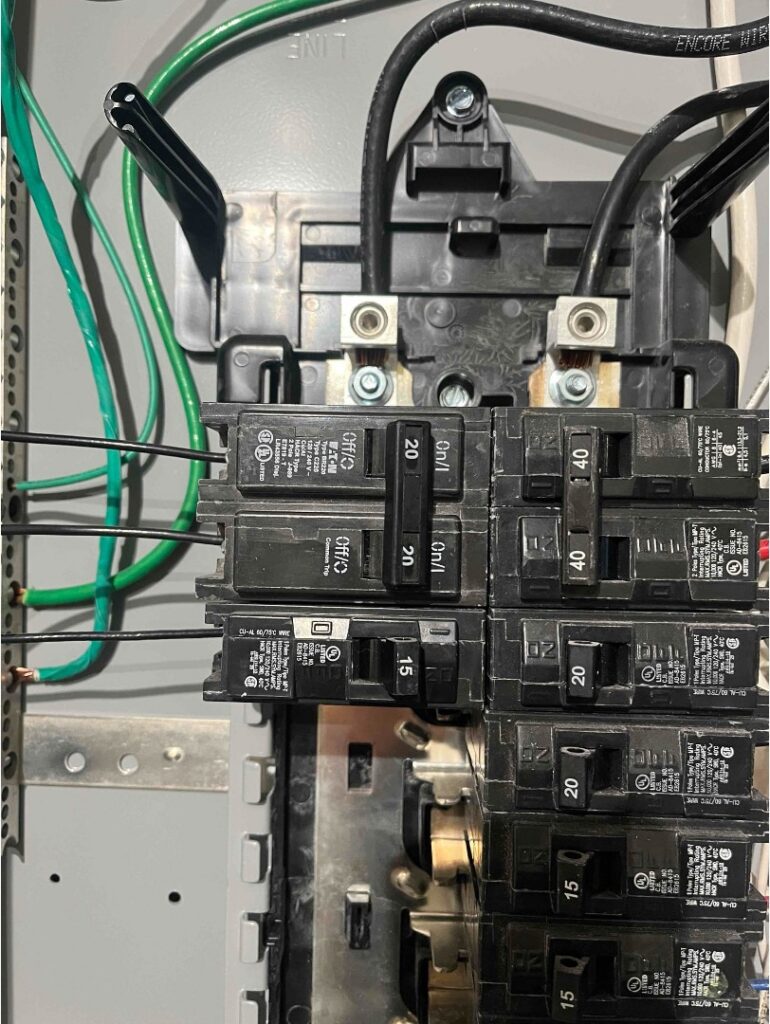
Electrical safety improvements are especially important in homes that have gone through multiple renovations.
Circuit Extensions & Modifications Trigger Requirements
Any time you extend, modify, or add to an existing 120-volt branch circuit in an area covered by NEC 210.12, that circuit typically must be brought up to current AFCI standards. This includes adding a new outlet, relocating wiring, replacing sections of cable, or installing new lighting on an existing circuit. Once the circuit is altered, it’s no longer treated as “grandfathered.”
Renovation Work & Panel Upgrades
AFCI upgrades are commonly required during permitted renovations like kitchen remodels, basement finishes, or home additions. Inspectors expect all newly worked-on circuits to meet current code, including AFCI protection where required.
Electrical panel replacements are another major trigger. When a new panel and breakers are installed under permit, AFCI breakers are often required for all applicable 120V, 15- and 20-amp circuits in the home.
The guiding rule is simple: the code in effect at the time of the permitted work applies. Even in older homes, once electrical work begins under permit, AFCI compliance is typically part of passing inspection.
Why Point Loma Home Pros Is Trusted for AFCI Compliance

Licensed professionals can identify where AFCI protection should be added based on current code requirements.
AFCI protection has grown into one of the most important safety standards in residential wiring, reaching nearly every habitable room and triggered by most permitted electrical work. For older homes, that usually means addressing AFCI compliance alongside renovations, circuit modifications, or panel replacements.
At Point Loma Home Pros, we help San Diego homeowners navigate these requirements with whole-home evaluations and licensed upgrades built around the realities of classic local homes. If you want to bring your electrical system up to current AFCI standards, our team is ready to help.
Schedule your inspection today.
Frequently Asked Questions (FAQs)
Are AFCI breakers required in older homes that are not being renovated?
In most cases, existing homes do not need to be upgraded to AFCI protection if no electrical work or permitted changes are taking place. The requirement typically applies when new work is done, such as remodels, additions, or panel updates, which can bring affected circuits under the current code. In older homes, AFCI upgrades are often considered during upgrades for added safety and long-term protection.
Do AFCI breakers replace the need for GFCI protection in kitchens and bathrooms?
No. AFCI and GFCI protections serve different purposes and are often used together. AFCI focuses on reducing fire risk from wiring issues, while GFCI is intended to help reduce shock risk in areas like kitchens, bathrooms, and outdoor spaces. Many modern installations use both protections where required.
Can I install an AFCI outlet instead of an AFCI breaker?
Yes, in some situations. An AFCI outlet can be installed as an alternative when a breaker isn’t practical. However, it only protects the wiring downstream from that outlet, not the entire circuit. For most new work or upgrades, a breaker-based solution is typically the more complete option.
Are AFCI breakers required in garages and outdoor circuits?
Garages and outdoor areas are usually governed more by shock protection requirements than AFCI rules. However, if a garage is finished or used as living space, AFCI requirements may apply depending on local code interpretation. When there’s uncertainty, adding AFCI protection can be a reasonable safety choice.
How can homeowners make sure their electrical system is properly updated for AFCI requirements?
The safest way is to have a licensed electrician inspect the home’s wiring to determine where AFCI protection is required under current code, especially in older homes or during any electrical upgrades. For San Diego homeowners, Point Loma Home Pros provides whole-home electrical evaluations and AFCI-focused upgrades during repairs, remodels, and panel work to help keep systems safe and code-compliant.
*Note: All pricing and service information is for general guidance only and reflects typical estimates at the time of writing. Actual costs, scope, and timelines may vary based on the home’s condition, access, materials, project complexity, and local market factors. For more information on our services and current pricing, visit Point Loma Home Pros.