
Key Takeaways
- Aluminum wiring, common in old homes, poses serious fire risks due to expansion, contraction, and oxidation over time.
- Loose or oxidized aluminum connections can create heat buildup, significantly increasing the likelihood of electrical fires.
- Copper wiring offers improved safety, better electrical performance, lower insurance complications, and increased home value.
- Rewiring costs typically range from $2,000 to $12,000 depending on home size, layout, and complexity, but the investment is worthwhile for long-term safety and peace of mind.
- At Point Loma Home Pros, we specialize in safely upgrading older San Diego homes with expert rewiring, reliable service, and high-quality workmanship to keep your home safe & dependable.
Aluminum Wiring: What to Look For in Older Homes
Aluminum branch-circuit wiring became common in new builds and renovations from about 1965 into the mid-1970s, after copper shortages and rising prices pushed builders toward aluminum. Builders turned to aluminum as a lower-cost alternative, believing it to be a practical solution. Over time, however, this cost-saving choice has proven to be a serious safety concern for many homeowners across the U.S.
Why Aluminum Wiring Became a Fire Hazard
The core issue lies in aluminum’s physical properties. Unlike copper, aluminum expands and contracts more as it heats and cools during everyday use. This repeated movement loosens connections at outlets, switches, and junction boxes. Loose connections increase resistance, generating heat, and heat raises the risk of fire.
Aluminum also oxidizes when exposed to air, forming a layer that reduces conductivity. This further increases resistance and weakens electrical connections over time, unlike copper, which maintains stable performance throughout its lifespan.
How to Identify Aluminum Wiring in Your Home
You can sometimes spot aluminum wiring by looking for labeling on cable jackets in accessible areas (like basements/attics) or inside the electrical panel—without touching any bare conductors.
It is usually labeled “AL,” “ALUMINUM,” or “ALUM” and has a silver appearance when freshly cut, rather than copper’s reddish tone. If you’re unsure, a licensed electrician can safely confirm what type of wiring you have.

The True Risk: 55 Times Higher Fire Hazard than Copper
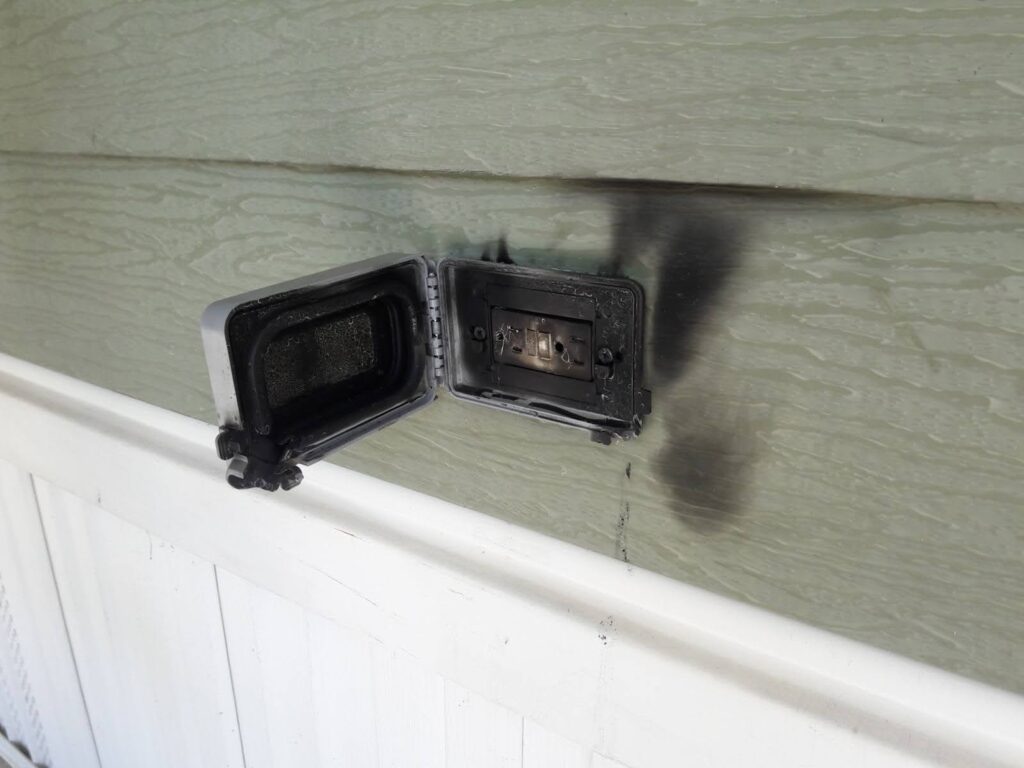
The risk of aluminum wiring is well-documented. U.S. Consumer Product Safety Commission (CPSC) research found that homes with pre-1972 aluminum branch-circuit wiring were 55× more likely to have one or more outlet connections reach “fire hazard conditions” than homes wired with copper.
Warning signs include warm outlet or switch plates, unexplained flickering lights, or a burning plastic smell near electrical fixtures. Any of these signals should be checked immediately by a qualified electrician, as they may indicate dangerous wiring conditions already in progress.
What Does It Cost to Rewire from Aluminum to Copper?
The cost of replacing aluminum wiring varies based on several factors. Understanding what drives pricing can help you budget realistically and choose the right approach for your home.
National Average Cost
Many whole-home rewires land roughly $7,000–$15,000+ (often about $2–$4 per square foot) depending on access, number of circuits, and whether the panel needs upgrading. The wide range reflects differences in home size, layout, and local labor rates.
Note: The price ranges above are approximate and can change over time and by neighborhood. Costs may also vary based on permitting, access behind finished walls, and whether additional upgrades (like a panel replacement) are needed.
Price Factors That Affect Your Final Cost
The complexity of your electrical system plays a major role in pricing. Multi-story homes, finished basements, and tight layouts require more labor to access wiring. Older homes may also need electrical panel upgrades or other electrical fixes during the rewiring process.
Material and labor costs also vary. Copper prices fluctuate with the market, and higher-grade wiring costs more but offers better performance and longevity. Labor rates are typically higher in metropolitan areas than in rural locations.
Square Footage and Home Layout
While larger homes generally cost more to rewire, layout matters just as much. An open, single-story home may be cheaper to rewire than a smaller multi-level home with many rooms, simply due to labor time.
The number of outlets, switches, and fixtures also affects the total cost. More connection points mean more wiring, materials, and installation time.
Accessibility Challenges
Limited access can significantly increase costs. Finished basements, slab foundations, or restricted attic space often require additional wall or ceiling openings to reach wiring.
Historic homes may present extra challenges due to older construction methods or preservation requirements, which can add time, care, and specialized labor to the project.
5 Major Benefits of Switching to Copper Wiring
Upgrading from aluminum to copper wiring provides advantages that go beyond fire prevention. From lower insurance costs to improved daily performance, copper wiring delivers long-term value for homeowners.
1. Dramatically Reduced Fire Risk
The most important benefit is a significant drop in fire risk. Copper expands and contracts far less than aluminum, helping connections stay tight over time. It also resists oxidation, reducing heat buildup that can lead to electrical fires. For many homeowners, this safety improvement alone makes the upgrade worthwhile.
2. Better Insurance Rates and Coverage
Homes with aluminum wiring often face higher insurance premiums or limited coverage. Switching to copper can open the door to lower rates, better policy options, or upgrade-related discounts. Over time, these savings may help offset the cost of rewiring.
Upgraded wiring also removes a common insurance obstacle for buyers, making your home easier to insure and sell.
3. Stronger Electrical Performance
Copper conducts electricity more efficiently than aluminum, supporting stable power delivery and higher electrical loads. This is especially important in modern homes with energy-hungry appliances and technology.
After upgrading, many homeowners experience fewer issues, such as flickering lights, power interruptions, or frequent breaker trips.
4. Increased Home Value and Market Appeal
Homes with copper wiring are generally more attractive to buyers and can command higher resale values. Aluminum wiring is often flagged during inspections and can stall negotiations or reduce offers.
By rewiring in advance, you turn a potential concern into a selling advantage, with “copper wiring throughout” becoming a clear value-add.
5. Lasting Peace of Mind
Beyond financial and performance benefits, copper wiring provides peace of mind. Knowing you’ve removed a major safety risk from your home allows you to feel more secure, and that confidence is often the most appreciated benefit of all.
The Rewiring Process: What to Expect
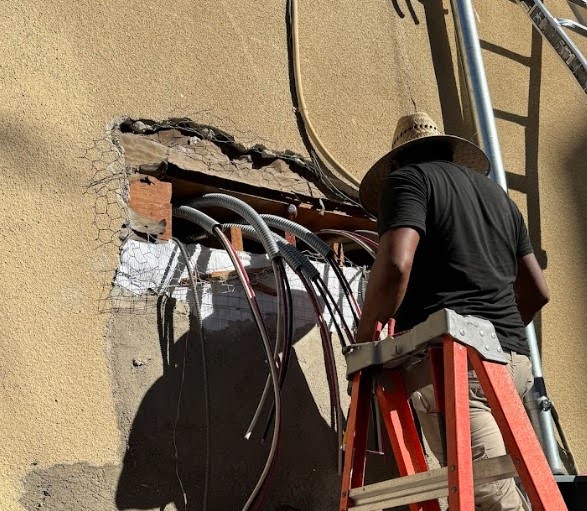
Knowing what happens during a rewiring project helps you plan ahead and avoid surprises. While every home is different, most projects follow a similar process and timeline.
Timeline: How Long the Work Takes
A full aluminum-to-copper rewiring project typically takes 3–10 days for an average-sized home. The timeline depends on factors like home size, wiring access, number of circuits, and whether walls need to be opened. Larger homes or difficult layouts may take two weeks or more.
Work is usually done in stages, moving room by room. Power may be shut off in certain areas during the day, though many electricians aim to restore power each evening when possible. Your contractor should provide a clear schedule so you can plan around outages.
Permits and Inspections
Rewiring requires electrical permits and inspections in nearly all areas. Your electrician typically handles the permitting process before work begins. Inspections often occur at multiple stages, including before walls are closed and after the job is completed.
These inspections ensure the work meets current safety codes and provide independent confirmation that everything was done correctly. Be sure your electrician schedules all required inspections and obtains final approval.
Living in Your Home During Rewiring
If you can stay in your home depends on the scope of the project and your comfort level with disruption. Some homeowners choose to relocate temporarily due to noise, dust, and power interruptions, while others stay with preparation.
If you remain at home, plan for temporary power loss with battery lights, food coolers, and clear communication about which areas will be affected each day. Homes with medical equipment that requires continuous power may need temporary relocation for safety.
Finding the Right Electrician for Aluminum-to-Copper Conversion
Choosing the right electrician is crucial for a safe and successful rewiring project. Not all professionals have experience with aluminum-to-copper conversion, and improper work can compromise safety.
Qualification Checklist
Ensure the electrician holds proper state and local licensing and has specific experience with aluminum wiring replacement. Look for multiple completed projects and ask for references from similar jobs. Verify they carry liability and workers’ compensation insurance, and consider membership in professional organizations like NECA or IEC as a sign of ongoing education and standards adherence.
Red Flags
Avoid electricians who downplay aluminum wiring risks or recommend standard wire nuts as permanent solutions. Be cautious if they resist pulling permits, request unusually high upfront payments, can’t provide references, or pressure you to make quick decisions. Professionals should clearly explain the process, potential challenges, and their proposed solutions.
Questions to Ask Before Hiring
Ask about their approach: “Will all aluminum branch wiring be replaced, or will you use COPALUM or another connection method?” Clarify practical details: “How will you minimize wall and ceiling damage?” “How are permits and inspections handled?” “What is the timeline for a home this size?” “How do you address unexpected issues?” Their answers reveal both expertise and communication style.
Is Rewiring Worth the Investment?
Many homeowners wonder if switching from aluminum to copper wiring is financially worthwhile. Rewiring also provides lasting peace of mind by reducing the risk of electrical fires and the stress that comes with it.
Upgrading can also improve insurance options, making coverage easier to obtain and protecting against potential financial exposure from high deductibles or denied policies.
If you plan to stay in your home for several years, rewiring usually makes sense for safety, peace of mind, and smoother home management. For those selling soon, aluminum wiring may affect buyer interest, but offering quotes or credits can help mitigate concerns.
Trust Point Loma Home Pros for Safe, Reliable Rewiring
At Point Loma Home Pros, we specialize in keeping San Diego homes safe, comfortable, and running smoothly. With decades of hands-on experience, we understand the unique challenges older homes face, including aluminum wiring and outdated electrical systems. Our knowledgeable team ensures every rewiring project is done safely, efficiently, and with minimal disruption to your home.
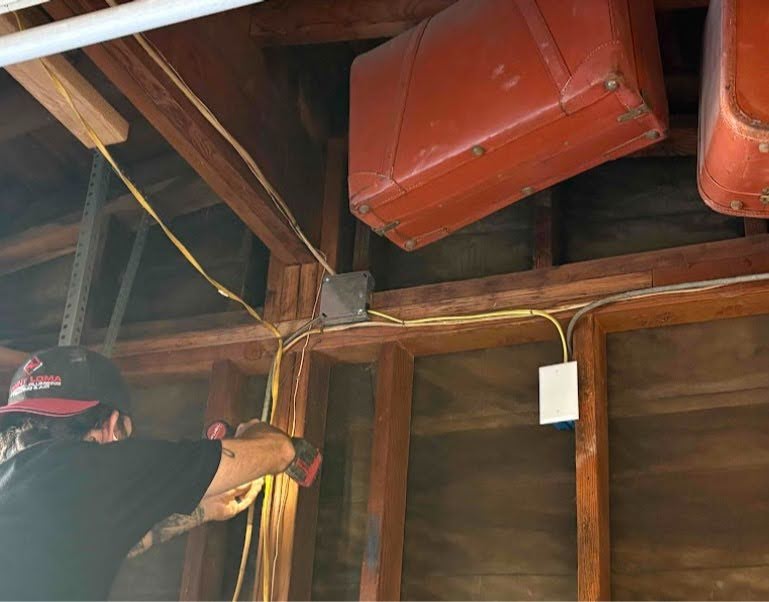
We handle comprehensive electrical services, including whole-home rewiring, panel upgrades, outlet repairs, and surge protection. Our approach focuses on high-quality workmanship, clear explanations, and long-lasting results, so you can feel confident in the safety and reliability of your electrical system.
Why homeowners choose Point Loma Home Pros
- Experts in San Diego’s older homes with experience addressing aluminum wiring challenges
- Full-service team for electrical, plumbing, heating, and air, ensuring coordinated solutions
- Safety-first mindset with no shortcuts and high-quality installations
- Clear communication and guidance throughout the rewiring process
- Flexible financing options to make home upgrades more accessible
We treat every home like our own, prioritizing your peace of mind and satisfaction. With Point Loma Home Pros, you get a professional, trustworthy team dedicated to keeping your home safe, functional, and reliable for years to come.
Ready for safer, reliable wiring? Reach out to Point Loma Home Pros today!
Frequently Asked Questions (FAQs)
How do I know if my home has aluminum wiring?
Check your electrical panel and visible wires in basements or attics. Aluminum wires are typically marked “AL,” “ALUMINUM,” or “ALUM” and appear silver, unlike copper’s reddish color.
Can I live in my house during aluminum to copper rewiring?
Yes, most families can stay during rewiring. Expect power outages in active work areas. Prepare a temporary “home base,” use battery lighting, and plan meals. Homes with medical equipment may require temporary relocation for safety.
Will rewiring damage my walls and ceilings?
Some wall and ceiling openings are necessary for wire access. Skilled electricians minimize damage using strategic openings and specialized tools. Basic patching is typically included, though final painting and finishing are usually the homeowner’s responsibility.
Can I do partial rewiring to save money?
Partial rewiring is possible, focusing first on high-risk circuits like kitchens, bathrooms, or bedrooms. Work with your electrician to plan phases, maintain permits and documentation, and understand that remaining aluminum still carries increased fire risk.
What makes Point Loma Home Pros different from other electricians?
At Point Loma Home Pros, we specialize in older San Diego homes, combining decades of experience with a safety-first approach. Our full-service team handles rewiring, panel upgrades, and electrical troubleshooting, providing reliable solutions built to last.