
Key Takeaways
- Traditional sewer replacement is disruptive, damages landscaping and hardscaping, takes 1–2 weeks, and often incurs high restoration costs.
- Trenchless sewer replacement uses small access points, reducing excavation, protecting property surfaces, and minimizing interruptions to daily life.
- Pipe lining installs a resin-coated liner inside the existing pipe, while pipe bursting replaces the old pipe, restoring full function efficiently.
- Not all pipes are suitable for trenchless methods; collapsed, severely misaligned, bellied, or multiple-bend pipes may still require traditional excavation.
- Point Loma Home Pros provides expert trenchless sewer repair and replacement in San Diego. Specializing in older homes, the team delivers efficient, minimally disruptive solutions and trusted full-service care.
Why Traditional Sewer Line Replacement Can Be Disruptive
Traditional sewer line replacement can turn a well-kept yard into a construction site overnight. Crews dig long trenches through lawns, patios, and driveways to reach buried pipes, often leaving extensive damage behind. The process typically takes several days to a week, followed by costly hardscape restoration.
Beyond the visible mess, unexpected issues like tree roots, utility lines, or driveway and walkway damage can drive costs even higher. Many homeowners are surprised to find restoration expenses rival or exceed the plumbing work itself.
The process also disrupts daily life with noise, limited access, and possible service interruptions. If you’ve spent years cultivating mature landscaping or custom outdoor features, traditional methods can undo all that work in a day. Thankfully, modern alternatives now offer far less disruption.

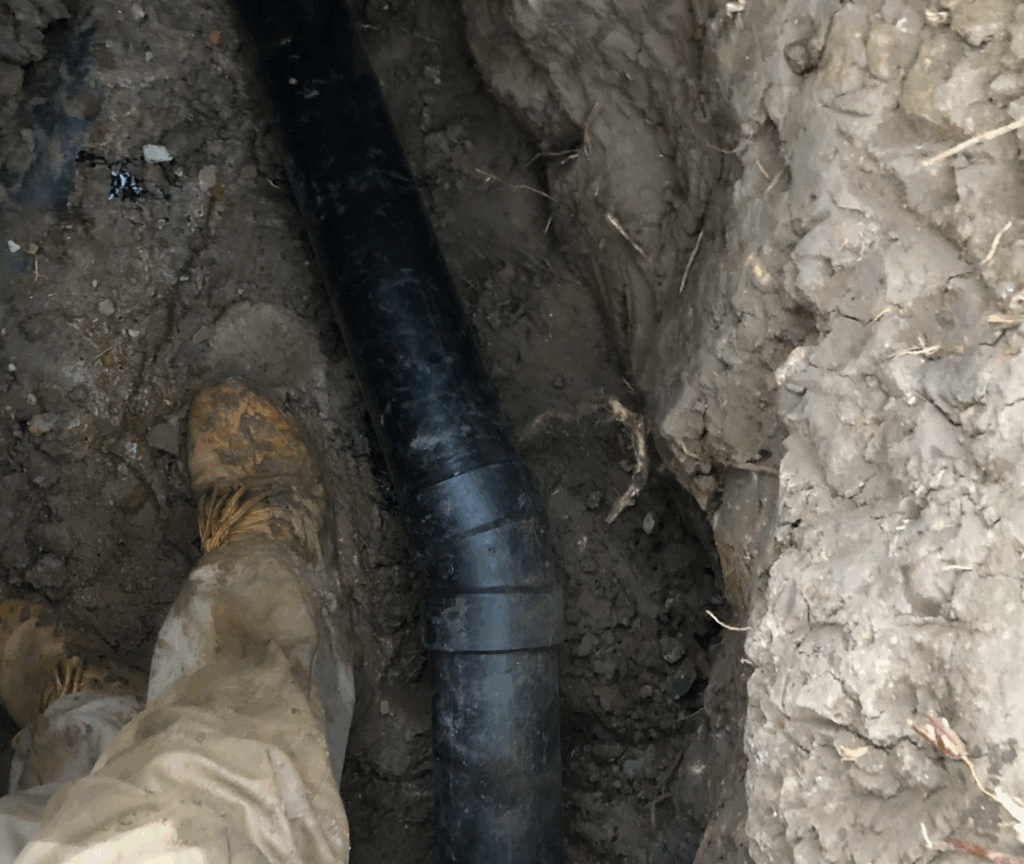
Minimal digging helps preserve lawns, driveways, and hardscaping.
What Is Trenchless Sewer Line Replacement?
Trenchless sewer line replacement is a modern way to repair or replace underground pipes without digging long trenches across your property. Instead of tearing up lawns, patios, or driveways, technicians use one or two small access points and do everything underground. This approach dramatically reduces surface damage, cleanup, and downtime compared to traditional excavation.
Pipe Lining vs. Pipe Bursting: The Two Main Methods
There are two primary trenchless techniques. Pipe lining (also called CIPP) installs a resin-coated liner inside the existing pipe, creating a smooth, seamless new pipe within the old one. Pipe bursting breaks apart the old pipe while simultaneously pulling a new one into place, maintaining or even increasing the original diameter. Each method is chosen based on pipe condition and capacity needs.
When Trenchless Methods Are Your Best Option
Trenchless solutions are especially beneficial when sewer lines run beneath landscaping, hardscaping, or structures where digging would be costly or impractical. They’re also ideal for properties with limited access, tight timelines, or environmental concerns. In many cases, the reduced restoration costs make trenchless replacement the smarter long-term investment.
How the Trenchless Sewer Replacement Process Works
The trenchless process begins with a thorough evaluation of your sewer system. A plumbing professional reviews symptoms like backups or slow drains, maps the sewer line, and plans the repair around access points, property layout, and potential obstacles to ensure efficient execution.
Step 1: Video Inspection and Damage Assessment
A high-definition sewer camera is used to inspect the pipe’s interior and pinpoint cracks, root intrusion, or collapsed sections. This inspection helps determine pipe condition, material, and the most suitable trenchless method. Homeowners can usually view the footage for clarity and documentation.
Step 2: Clearing and Cleaning the Existing Pipe
Before repairs, the pipe is thoroughly cleaned using hydro jetting and specialized tools to remove roots, grease, and buildup. A follow-up camera inspection confirms the pipe is properly prepared and ready for lining or replacement.
Step 3: Installing the New Pipe or Liner
For pipe lining, a resin-coated liner is inserted into the old pipe, inflated, and cured in place to form a seamless new pipe inside. For pipe bursting, the damaged pipe is fractured while a new pipe is pulled into place, fully replacing the old line.
Step 4: Final Testing and Verification
A final camera inspection and testing confirm proper installation and performance. Access points are restored, and homeowners receive a walkthrough explaining the work completed and basic care recommendations for the new sewer line.
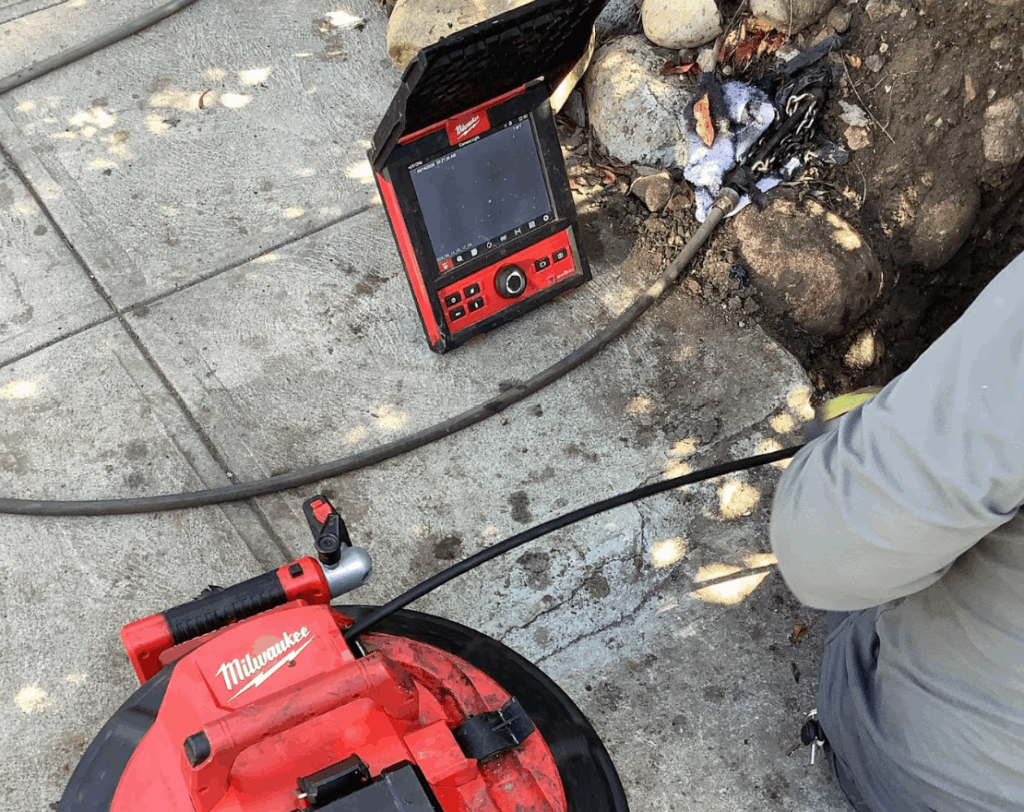
Final camera testing confirms proper installation and system performance.
5 Major Benefits of Choosing Trenchless Technology
Trenchless sewer repair and replacement offers homeowners numerous advantages over traditional excavation. While upfront costs may be slightly higher, the long-term value, including time savings, reduced disruption, and superior pipe performance, is often far greater.
1. Preserves Landscaping and Hardscaping
Trenchless methods require only small access points, leaving gardens, lawns, patios, driveways, and other surface features intact. Minimal excavation protects mature landscaping and specialty hardscaping, eliminating most restoration costs. It also limits soil disruption, preserves root systems, and minimizes environmental impact.
2. Reduces Project Time
Most trenchless projects can be completed in just 1–2 days, compared to 1–2 weeks for traditional excavation. Less digging, smaller crews, and efficient equipment mean minimal disruption to daily life—and you’re back to normal in days, not weeks.
3. Cost-Effective in the Long Run
Although initial quotes may appear higher, trenchless solutions often save money overall when factoring in restoration, landscaping preservation, and long-term durability. Superior materials reduce the likelihood of future repairs, while avoiding excavation-related damage protects the full value of your property.
4. Durable, Long-Lasting Pipes
Cured-in-place pipe (CIPP) liners and HDPE pipes provide exceptional durability and seamless construction, resisting roots, corrosion, chemical damage, and ground movement. Smooth interiors improve flow efficiency, reduce blockages, and ensure fewer maintenance issues, offering decades of reliable performance.
5. Increased Flow Capacity
Pipe lining’s smooth interior can enhance flow despite minimal diameter reduction, while pipe bursting allows installation of larger-diameter pipes, improving drainage capacity. This provides better performance for modern water usage and future-proofs your system for potential home expansions or renovations.
Limitations: When Trenchless Methods Won’t Work
Trenchless sewer replacement works for most problems, but it’s not a universal solution. Some situations still require traditional excavation. Knowing these limits helps homeowners choose the safest, most effective repair method.
Pipe Collapse and Severe Damage
When a pipe has completely collapsed, broken into pieces, or shifted out of alignment, trenchless equipment simply can’t get through. Multiple damaged sections spread along the pipe may also be easier and more cost-effective to repair with traditional excavation. In these cases, digging allows full access to restore the pipe correctly.
Misalignment and Sagging Pipes
Sagging or “bellied” pipes create water pooling that trenchless methods cannot fix, since both lining and bursting follow the existing path. Pipes with poor slope, tight bends, or multiple transitions often require excavation to reposition or replace sections, ensuring proper flow and long-term performance.
What to Expect During Your Trenchless Sewer Replacement
Trenchless sewer replacement follows a structured process designed to minimize disruption and complete the work efficiently. Clear communication from your contractor ensures you understand each step, timelines, and any temporary service limitations.
Typical Project Timeline
Most residential projects take 1–2 days on-site. Preparation includes inspection, cleaning, and setup, followed by pipe lining or bursting. Complex jobs may take longer, while very simple repairs can finish in a single day. Permits, custom materials, and scheduling equipment may require 1–2 weeks before work begins. Final testing, camera inspection, and minor cleanup complete the project.
Preparing Your Property
Ensure clear access to entry, exit, and any intermediate points along your sewer line. Remove vehicles, furniture, and obstacles, and secure pets. Expect brief water usage restrictions during liner curing or other critical phases, and plan accordingly for household needs.
Post-Installation Care and Maintenance
Modern trenchless pipes are durable but require proper care. Avoid flushing wipes, feminine hygiene products, or grease. Periodic camera inspections every 5–10 years help catch potential issues early. Maintain awareness of nearby tree roots, as aggressive species can eventually reach pipe connections.
How to Find a Qualified Trenchless Contractor
Choosing the right contractor is crucial for a successful trenchless sewer project. Trenchless methods require specialized equipment, training, and experience, so careful vetting ensures quality workmanship, safety, and a long-lasting solution that protects your property and investment.
Essential Qualifications to Look For
Verify proper state and local licensing, liability insurance, and workers’ compensation coverage. Confirm the contractor has extensive experience with trenchless projects and request references from similar jobs. Look for manufacturer certifications for lining or bursting systems and membership in industry associations, which show commitment to professional standards and continuing education.
Questions to Ask Before Hiring
Inquire about their inspection process, including camera footage to see issues firsthand. Ask about warranty coverage for both materials and installation, typically 10–50 years for materials and 1–2 years for workmanship. Discuss how they handle unexpected complications or change orders, ensuring transparent communication and problem-solving throughout the project. A reputable contractor should provide all information in writing, offering confidence in both quality and professionalism.
Why Choose Point Loma Home Pros for Trenchless Sewer Repair
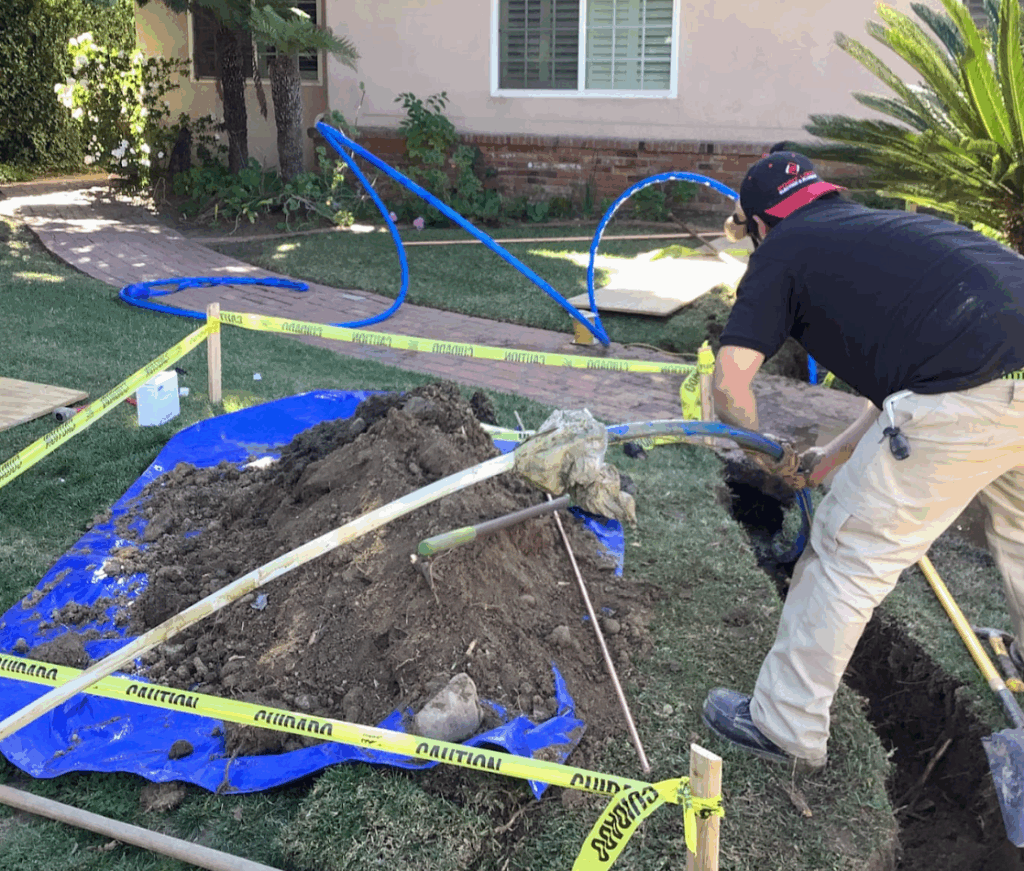
Trenchless sewer repairs by Point Loma Home Pros minimize disruption to existing landscaping.
Point Loma Home Pros brings decades of experience helping San Diego homeowners keep their homes safe, comfortable, and running smoothly. We specialize in older homes, understanding the unique challenges they present, and focus on the systems that matter most: electrical, plumbing, heating and air.
For trenchless sewer repair or replacement, our team delivers efficient, minimally disruptive solutions. Using advanced tools and proven techniques, we ensure your sewer system works reliably without tearing up your yard, patios, or landscaping.
Why Homeowners Trust Us
- Expertise in Older Homes: We know San Diego homes inside and out, including the unique wiring, plumbing, and sewer systems in older properties.
- Full-Service Team: Electrical, plumbing, heating & air services all coordinated for convenience and consistency.
- Premium Workmanship: Safety-first mindset, high-quality installations, and no cut corners.
- Customer-Focused Approach: Clear communication, transparent pricing, and project updates at every stage.
- Specialized Services: EV charger installation, electrical panel upgrades, whole-home rewiring, sewer inspections, and trenchless sewer repair & replacement.
From the first inspection to final testing, we handle each project with care and precision. Our trenchless techniques save time, reduce disruption, and provide long-lasting results. Homeowners can trust us to solve sewer problems the right way the first time.
Keep your pipes flowing, schedule your trenchless repair now!
Frequently Asked Questions (FAQs)
How long does trenchless sewer line replacement take?
Most residential trenchless sewer replacements take 1–2 days once work begins. Simple projects may finish in one day, while longer runs or limited access can take 3–4 days, still far quicker than traditional excavation, which often takes weeks.
Will my insurance cover trenchless sewer replacement?
Coverage depends on your policy. Damage from covered events like fire or vandalism may qualify, but general wear, root intrusion, or aging pipes usually don’t. Some insurers offer add-on sewer line coverage. Review your policy or speak directly with your agent.
Can trenchless methods fix root intrusion problems?
Yes. Trenchless methods effectively eliminate root intrusion by sealing or replacing pipes with seamless, joint-free materials. This blocks existing root entry points and helps prevent future invasions, making trenchless solutions ideal for properties with mature trees or aggressive root systems.
Is trenchless sewer replacement more expensive than traditional methods?
Trenchless sewer replacement may have a slightly higher upfront cost, but it often saves money overall. Reduced excavation means minimal damage to landscaping, hardscaping, and other property features, lowering restoration expenses compared to traditional sewer repair methods.
Will trenchless methods work for all sewer problems?
Trenchless methods are highly effective but not suitable for every situation. Severe pipe collapses, sagging sections, extreme misalignment, or multiple tight bends may require traditional excavation. Point Loma Home Pros‘ experienced team assesses your sewer line and recommends the safest, most efficient solution for your home.