Key Takeaways
- Electrical panels in older or overloaded homes can overheat from loose connections or high-demand electronics, creating serious fire risks.
- Warning signs like burning smells, frequent breaker trips, buzzing sounds, hot breakers, or visible rust or corrosion require immediate professional attention.
- Monthly DIY visual inspections and seasonal checks, including testing GFCI/AFCI breakers and maintaining clear access, help catch issues early.
- Licensed electricians should inspect internal components, check for overheating, proper wire sizing, panel load capacity, and update labels and circuit directories to ensure safety.
- Point Loma Home Pros offers expert electrical panel inspections, upgrades, and repairs in San Diego, providing safe, reliable solutions for modern homes and high-demand electrical systems.
Why Your Electrical Panel Could Be a Hidden Fire Hazard
Electrical panels are silent workhorses, distributing power throughout your home all day. Over time, loose connections, overloaded circuits, and outdated components can generate excessive heat, often unnoticed until a fire risk emerges. Many panels in older homes weren’t built for today’s high-demand electronics, creating overloads that increase the likelihood of dangerous electrical fires. By the time smoke or burning smells appear, the risk is already critical.
Electrical Panel Danger Signs That Demand Immediate Attention
Early warning signs in your electrical panel can prevent serious disasters. If you notice any of the following, contact a licensed electrician right away; these issues can escalate quickly if ignored.
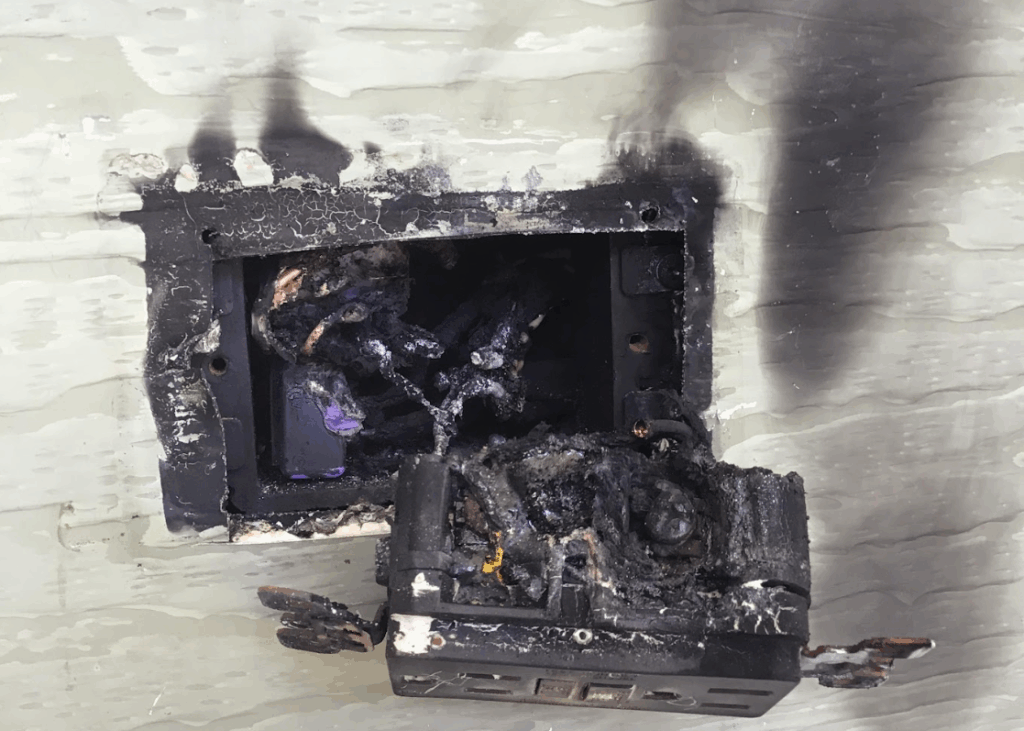
Burning Smells or Scorch Marks
A burning plastic odor or visible scorch marks indicate overheating wires or components. Turn off the power if safe, evacuate the area if necessary, and call an electrician immediately.
Frequent Circuit Breaker Trips
Breakers that trip repeatedly under normal loads often signal overloaded circuits, deteriorating wiring, or failing breakers. Ignoring this can lead to fires or equipment damage.
Buzzing, Crackling, or Popping Sounds
Unusual noises from the panel indicate electricity arcing across loose or corroded connections, creating serious fire hazards.
Warm Panel Cover or Hot Breakers
Excessive heat can melt insulation, damage breakers, and increase fire risk. Warmth should be mild; anything hot should be checked by a licensed electrician.
Visible Rust, Corrosion, or Water Damage
Moisture, rust, or corrosion in or around the panel can cause shorts, shock hazards, and breaker failure, compromising the entire electrical system.
The Monthly DIY Electrical Panel Safety Inspection
A monthly visual check of your electrical panel can catch problems early, but never remove the panel cover. This inspection is external only. Set aside about 10 minutes for a visual-only check. Don’t flip breakers on/off as part of a DIY routine—stick to what you can see and any built-in TEST buttons (GFCI/AFCI) per the manufacturer’s instructions.
Clear Access
Maintain clear working space in front of your electrical panel: at least 36 inches deep and 30 inches wide (or the width of the equipment, whichever is greater), with the door able to open at least 90°. Keep the area free of furniture, storage boxes, and clutter so the panel door can open fully and emergency access is unobstructed. Clear access also allows professionals to work safely during inspections, repairs, or upgrades without risking accidental contact with live components.
Exterior Condition
Regularly inspect the exterior of your panel for signs of damage, including rust, water stains, dents, missing screws, or unusual heat. Listen carefully for buzzing, crackling, or popping sounds, which may indicate internal issues. Check surrounding walls for discoloration or scorch marks, and ensure the panel is firmly mounted with no wobble. External damage can be a warning of deeper internal problems that need professional attention.
GFCI and AFCI Breaker Tests
Test Ground Fault Circuit Interrupter (GFCI) and Arc Fault Circuit Interrupter (AFCI) breakers monthly by pressing the “TEST” button. This ensures the breakers trip correctly and provide critical protection against shocks and electrical fires. If a breaker fails to trip or won’t reset, it indicates a malfunction that requires a licensed electrician’s evaluation. Regular testing ensures these lifesaving devices are always ready to function when needed.
When DIY Isn’t Enough: Signs You Need a Professional Electrical Inspection
Monthly DIY checks are useful for spotting obvious issues, but certain situations require a licensed electrician. Call a professional if you notice repeated breaker trips, persistent flickering lights, discolored outlets or switches, unusual panel noises, or warm spots on walls; these could signal serious underlying problems.
After Renovations or New Appliances
Any major changes, such as wall removal, kitchen remodels, adding EV chargers, central AC, or high-power appliances, can overload your panel. Professional inspections, including load calculations, ensure your electrical system can handle the increased demand safely and prevent hidden hazards that may not be immediately apparent.
Age-Based Inspection Guidelines
Plan for a professional electrical safety inspection if your home is 40+ years old, you’ve bought a previously-owned home, you’ve completed a major renovation, or you’ve added major new appliances in the last 10 years. Even without those triggers, many homeowners schedule a professional electrical checkup every 3–5 years—and sooner if any warning signs show up.
Professional Tools and Techniques
Licensed electricians use advanced tools like thermal imaging cameras to identify hotspots, loose connections, and failing components invisible to the naked eye. These inspections detect risks early, helping prevent electrical fires, system failures, and costly emergency repairs.
Inside the Panel: What a Professional Electrician Should Check
Professional inspections go beyond DIY checks, requiring the panel cover to be removed and components examined by a licensed electrician. These inspections uncover hidden hazards before they can cause fires, shocks, or other serious dangers.
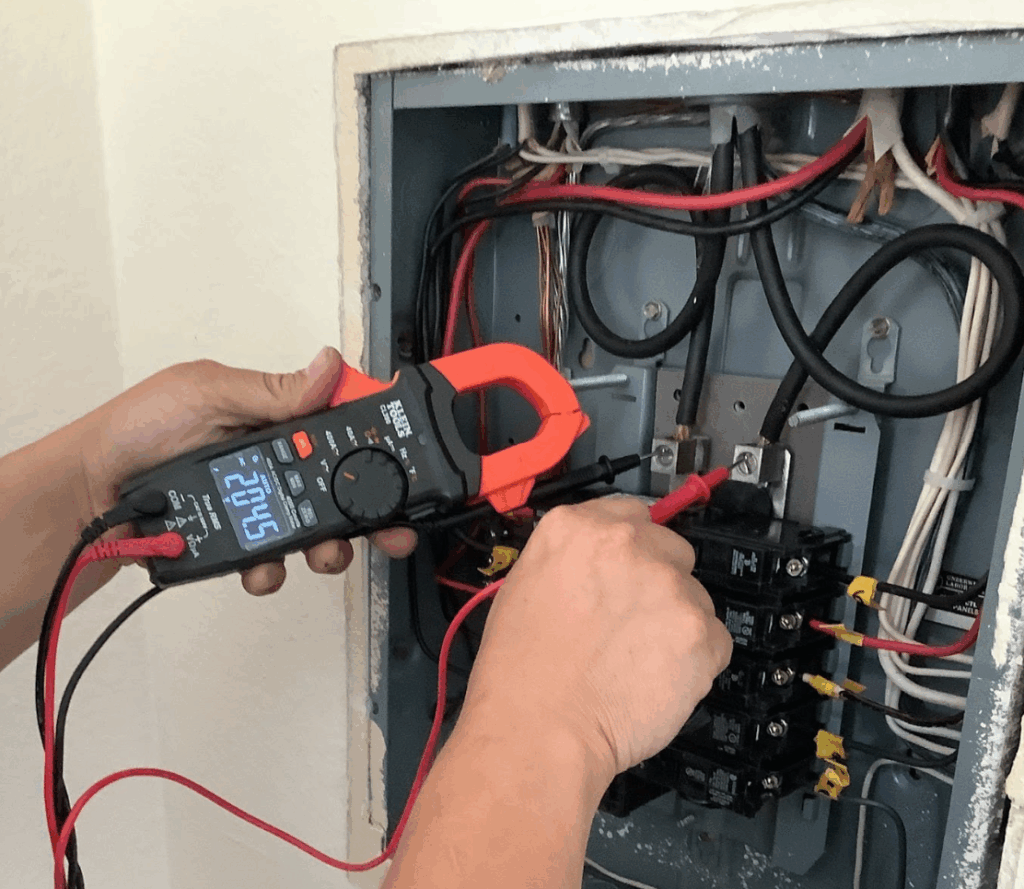
Loose Connections and Terminal Tightness
Loose connections generate heat, arcing, and potential fire hazards. Electricians carefully check and tighten every terminal to the manufacturer’s specifications, ensuring stable and safe electrical contact throughout the panel.
Signs of Overheating on Wires and Breakers
Discolored, brittle, or melted insulation and darkened breaker cases signal heat damage. Professionals often use thermal imaging to detect hidden hot spots and stressed components that could fail unexpectedly.
Proper Wire Sizing and Circuit Protection
Breakers must match the wire gauge for proper protection. Mismatched breakers, aluminum connected to copper-only terminals, or double-tapped breakers create serious fire risks. Electricians identify and correct unsafe connections or modifications.
Panel Load Calculation and Capacity Assessment
Electricians evaluate total household electrical demand, including major appliances, heating/cooling systems, and future additions. If a load calculation shows your electrical service is near its rated capacity, or you’re planning additions like EV charging or central AC, an upgrade may be recommended to keep the system safe and reliable.
Updated Panel Labels and Circuit Directory
Accurate labels and a clear circuit directory allow quick and safe shutdowns during emergencies. Each circuit is tested, documented, and clearly marked, including dedicated AFCI/GFCI and multi-wire circuits to improve safety and convenience for homeowners.
Creating Your Home Electrical Maintenance Schedule
Protect your home and family with a structured electrical maintenance plan that combines monthly DIY checks, seasonal safety inspections, and annual professional assessments. Responding promptly to warning signs ensures your electrical system remains safe and reliable year-round.
Seasonal Checks
- Spring: Test outdoor GFCI outlets before resuming outdoor activities, and inspect exterior lighting and irrigation systems.
- Summer: Inspect air conditioner circuits and ensure breakers and wiring can handle peak cooling loads.
- Fall: Check heating system circuits before winter use, including furnaces, heat pumps, and baseboard heaters.
- Winter: Review holiday lighting, extension cords, and temporary installations to prevent overloaded circuits and fire hazards.
- Year-round: Test smoke and carbon monoxide detectors monthly and replace batteries as needed.
Seasonal inspections account for fluctuating electrical demands, from outdoor power needs to heating and cooling loads. Temporary setups, like holiday decorations, should be carefully monitored to avoid exceeding circuit capacities.
Documentation
Maintain a detailed log of all inspections, repairs, and system modifications. Include photos, thermal imaging results, and invoices to help spot trends, support insurance or warranty claims, and provide a valuable reference during future home sales.
Electrical Panel Upgrades and Repairs with Point Loma Home Pros
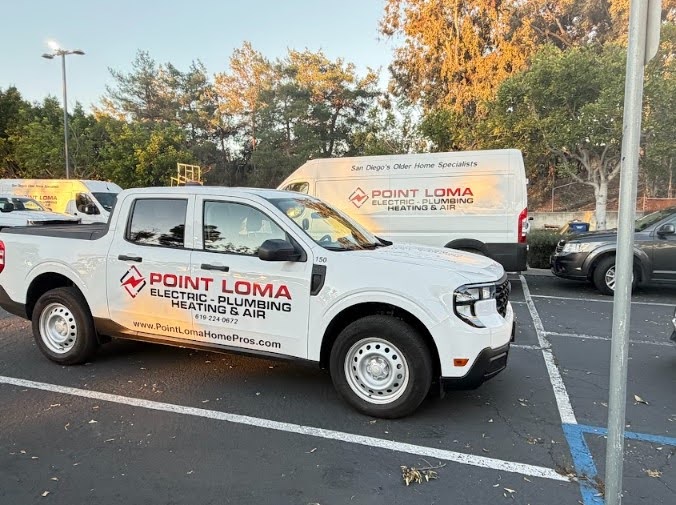
We know that your electrical panel is the heart of your home’s power system. When it’s outdated or overloaded, it can pose safety risks and limit your home’s efficiency. That’s why Point Loma Home Pros, proudly serving San Diego since 1988, focuses on panel upgrades and repairs. Our goal is to keep your electrical system safe, reliable, and fully prepared to handle the demands of modern living.
Licensed, Skilled, and Safety-Focused
We provide precise, code-compliant electrical panel upgrades, whole-home rewiring, and EV charger installations, all with a safety-first mindset and attention to detail. Our team ensures every job meets California safety standards.
Full-Service Home Solutions
As a full-service team, we also handle plumbing, heating, and air systems, giving homeowners the convenience of one trusted team for multiple needs. Clear communication and high-quality workmanship make every project stress-free.
Decades of Experience and Trust
With decades of experience, thousands of satisfied customers, and a focus on long-term reliability, we make upgrading your electrical panel safe, efficient, and worry-free.
Upgrade Your Electrical Panel with Point Loma Home Pros Now!
Frequently Asked Questions (FAQs)
How often should I have my electrical panel inspected by a professional?
Schedule a professional electrical safety inspection if your home is 40+ years old, you’ve bought a previously-owned home, you’ve completed a major renovation, or you’ve added major new appliances in the last 10 years. Even without those triggers, many homeowners schedule a professional electrical checkup every 3–5 years, and sooner if you notice breaker trips, flickering lights, buzzing, or burning smells.
Can I replace a circuit breaker myself if it keeps tripping?
DIY replacement is not recommended. Improper installation or sizing creates fire hazards, and tripping breakers often signal deeper issues like overloaded circuits or damaged wiring. A licensed electrician can safely diagnose and fix the underlying problem.
What’s the difference between GFCI, AFCI, and standard circuit breakers?
Standard breakers protect against overloads and short circuits. GFCI breakers detect tiny current leaks to prevent shocks and are typically required by modern electrical codes in areas with higher shock risk (like kitchens, baths, garages, and outdoors). AFCI breakers detect dangerous arcing that can lead to fires and are typically required by modern codes in many living areas; exact requirements vary by local code. Dual-function AFCI/GFCI breakers combine both protections in a single unit.
How do I know if my electrical panel is outdated and needs replacement?
Panels over 40 years old, those with fuses instead of breakers, rated under 100 amps, or from hazardous brands, should be replaced. Other warning signs include rust, physical damage, breakers that won’t reset, burned components, or insufficient space for circuits. Insurance concerns may also indicate your panel needs attention.
Point Loma Home Pros specializes in electrical panel inspections, upgrades, and replacements in San Diego, helping homeowners ensure their systems are safe, reliable, and ready for modern electrical demands.
Is it normal for circuit breakers to feel warm to the touch?
Slight warmth during heavy use is normal, but breakers should never be hot. Excessive heat signals overload, high-resistance connections, or failing breakers, all serious fire risks requiring immediate professional attention.
Regular inspections help prevent hazards and keep your electrical system functioning safely. For detailed guidance, refer to a comprehensive electrical panel inspection checklist.